Tony Gianzero's Engineering Portfolio

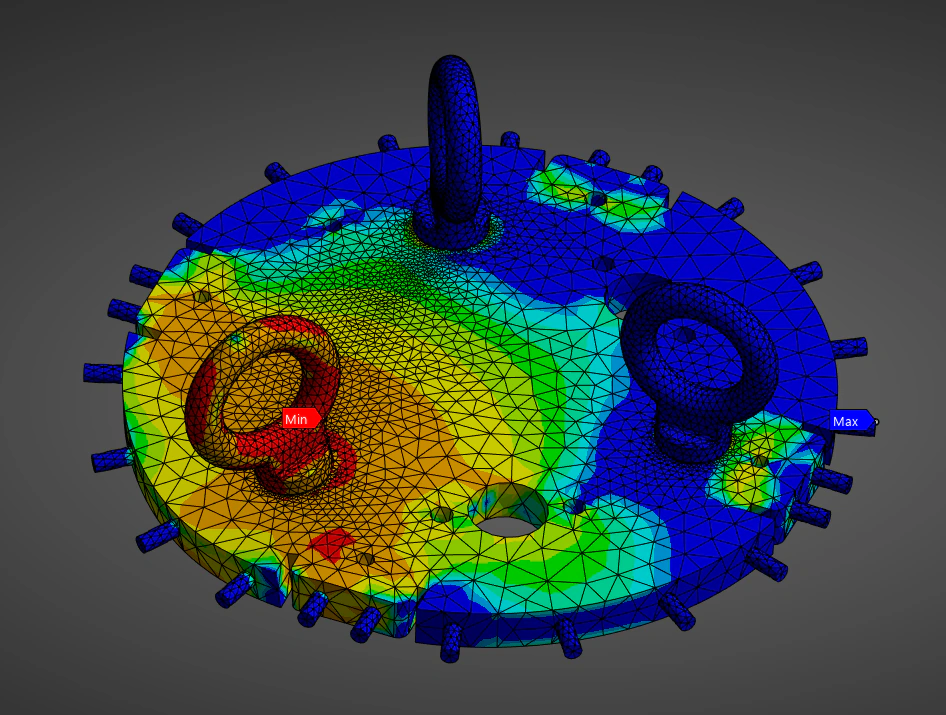
Analysis and reduction of parachute snatch force to allow for weight reduction and to reduce chance of catastrophic failure during suboptimal launch conditions.
Initial bulkhead simulations indicated that the current recovery bulkhead design would fail under non-ideal launch conditions.
Rather than simply increasing the strength of all affected components, which would add significant weight, I am working on determining the exact expected load and redesigning the recovery harness to minimize it.
This is currently an ongoing project and I will update this site as I make progress.
Finite element analysis of the current recovery bulkhead design. Red indicates where it is likely to fail.
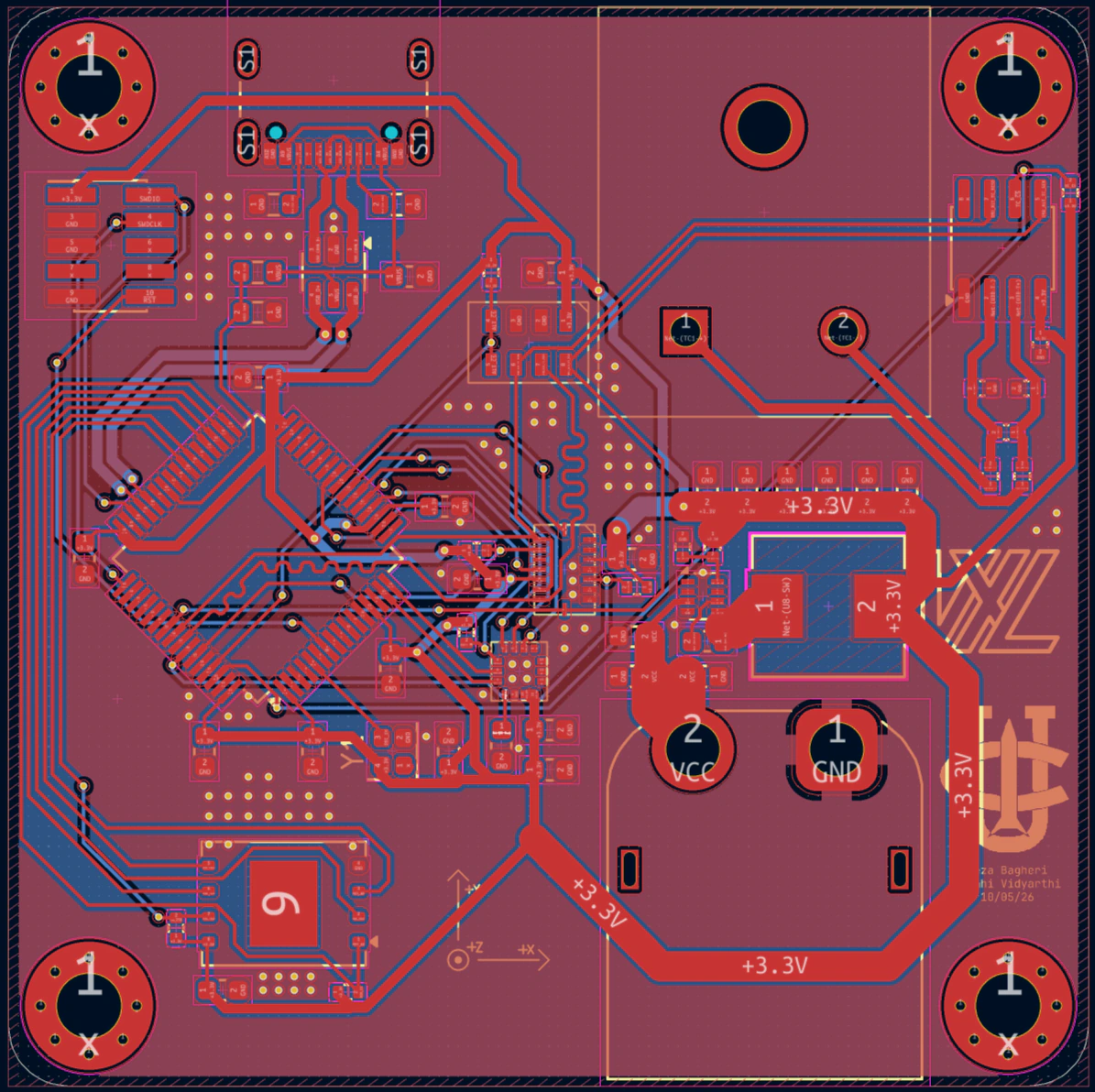
The board designed to measure the exact snatch force during testing. I did not design the board, but I created all of the requirements based on my own calculations and NASA trade studies.
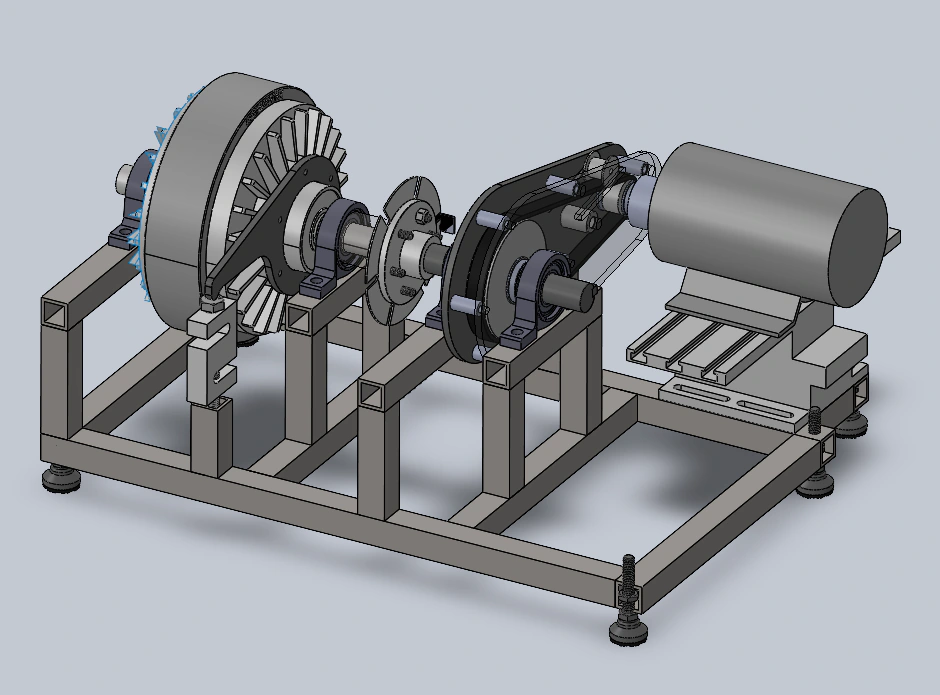
Design, manufacturing and programming of a small motor dynamometer to test 24V go-kart motors.
Features:
Free Spinning Magnetic powder brake → Apply variable load on the motor. Free to rotate to allow for torque measurement with torque arm.
Custom Torque Arm + Load Cell → Measure torque from powder brake
Photointerrupter + Custom Photogate → Measure rpm
3:1 Synchronous Belt Reduction → Reduce motor rpm to within powder brake rating. Custom machined housing.
Slide Table + Shaft Couplers → Allow motors of various sizes to be fastened and tested
Welded & Machined Steel Frame → Ridgid frame to minimize bending vibration. Includes machined flats for bearings to ensure proper alignment.
Custom GUI → GUI that displays real-time plots of data, Arduino serial communication and allows for changing test parameters and exporting data.
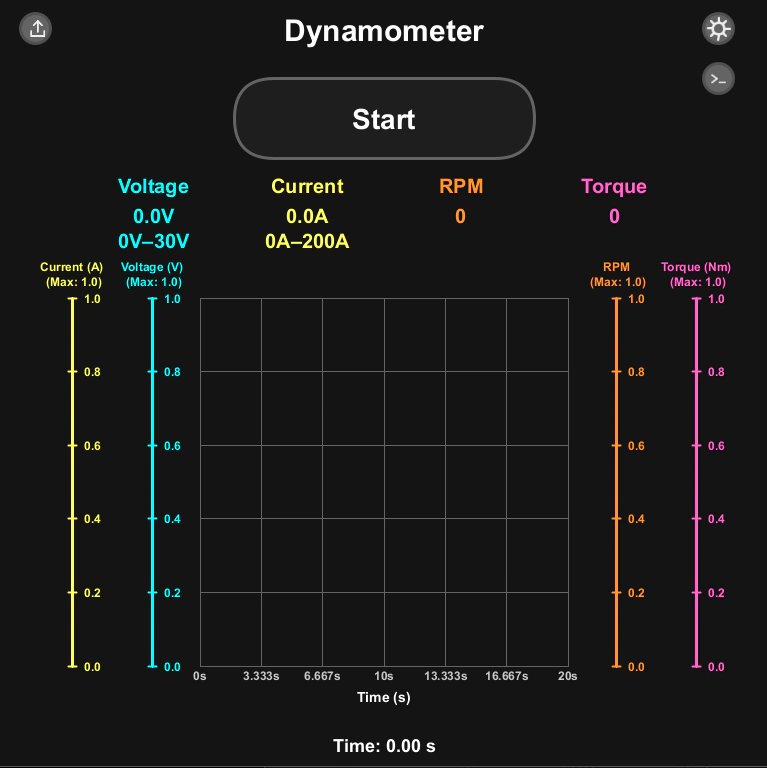
GUI written in Java that displays real-time sensor values, plots data on a auto-scaling graph,allows for sensor calibration, data export, Arduino serial debugging and changing test settings.
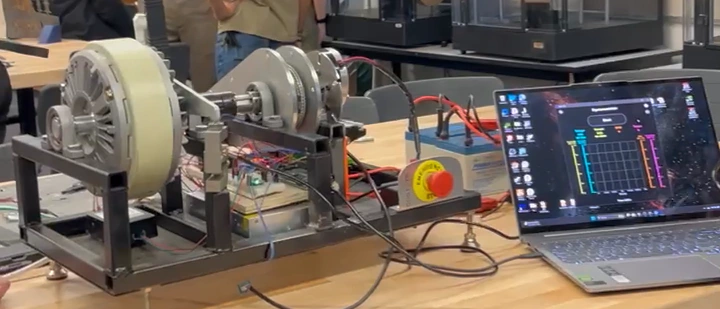
Finished Dynamometer
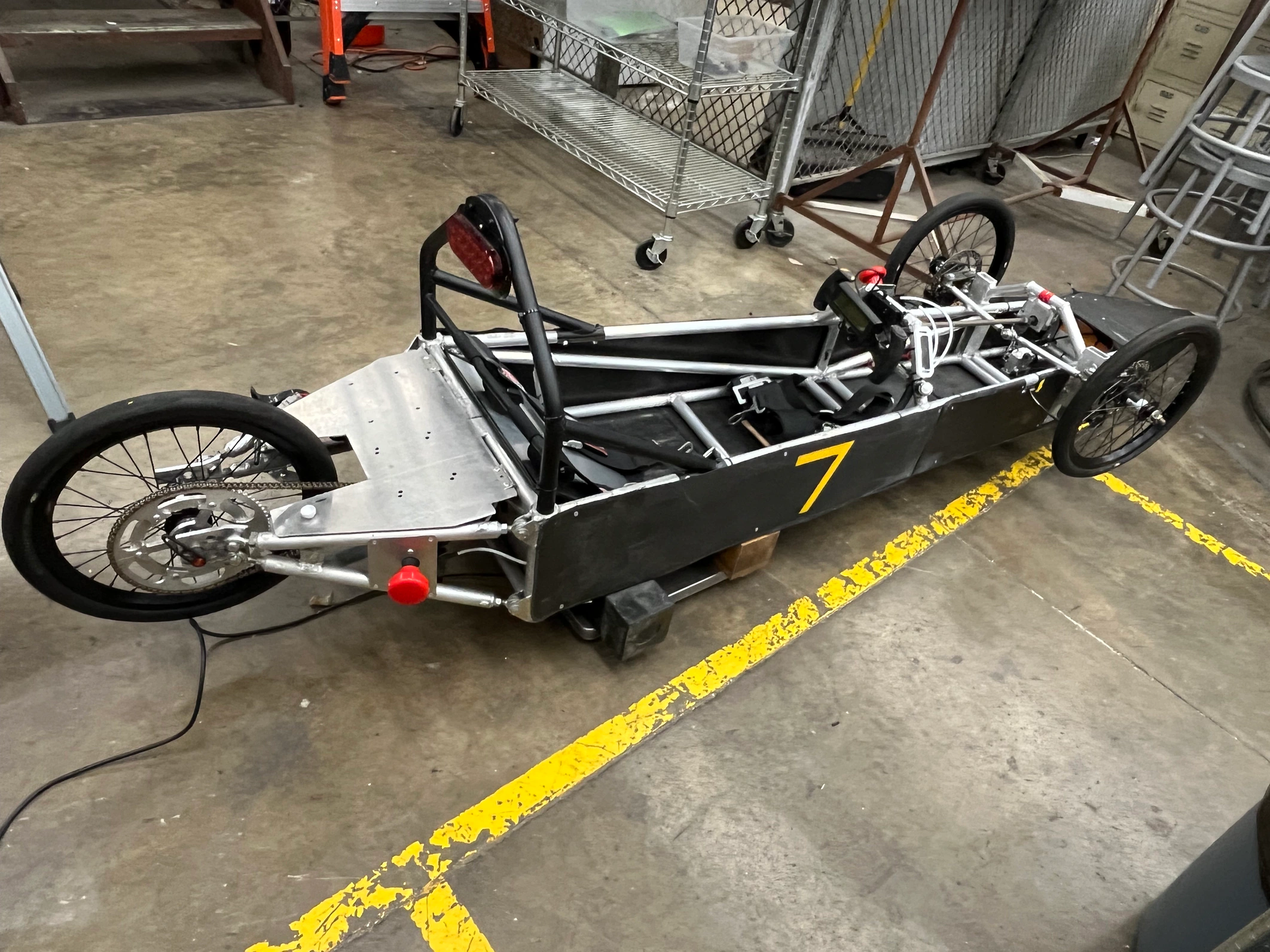
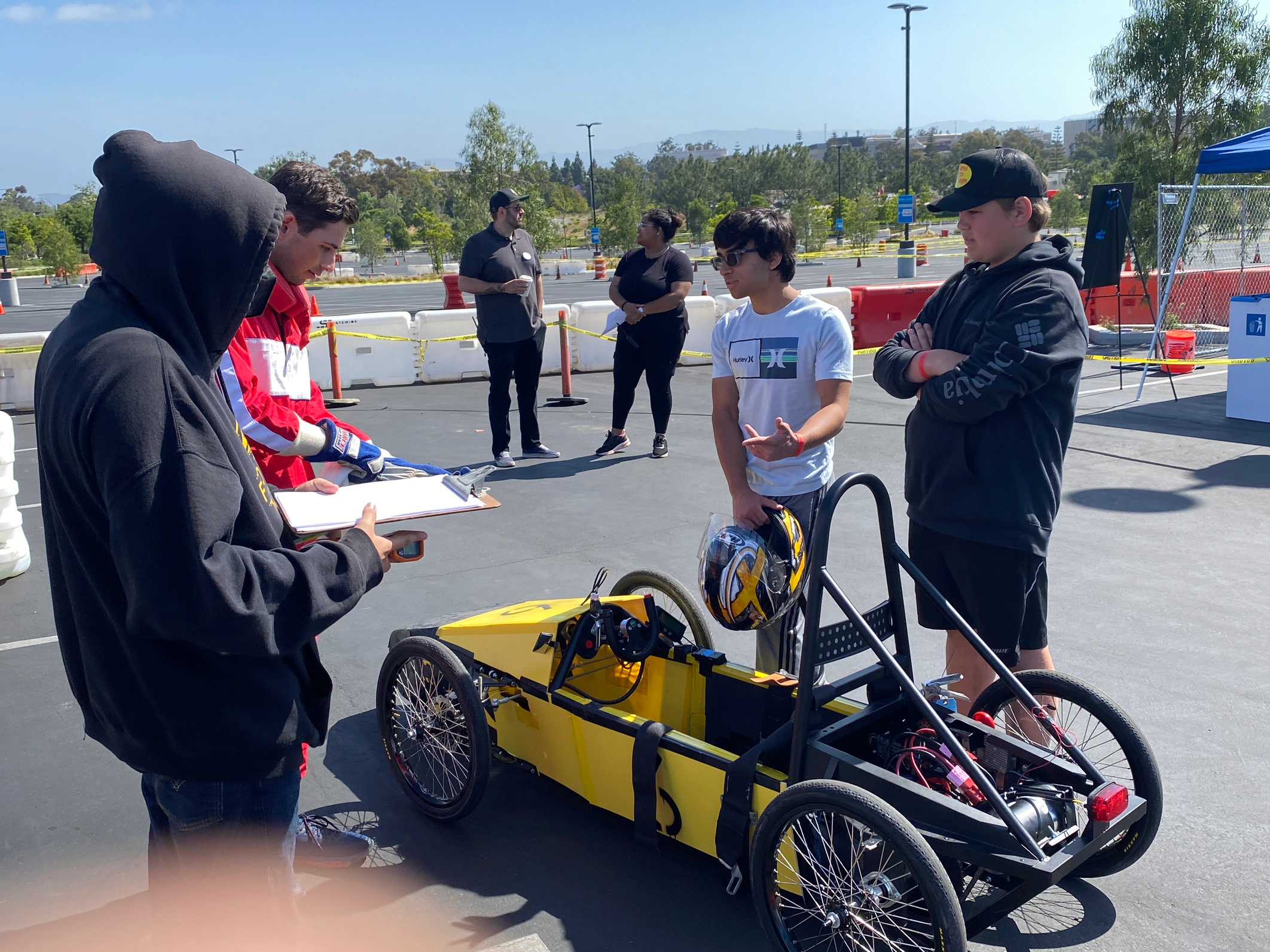
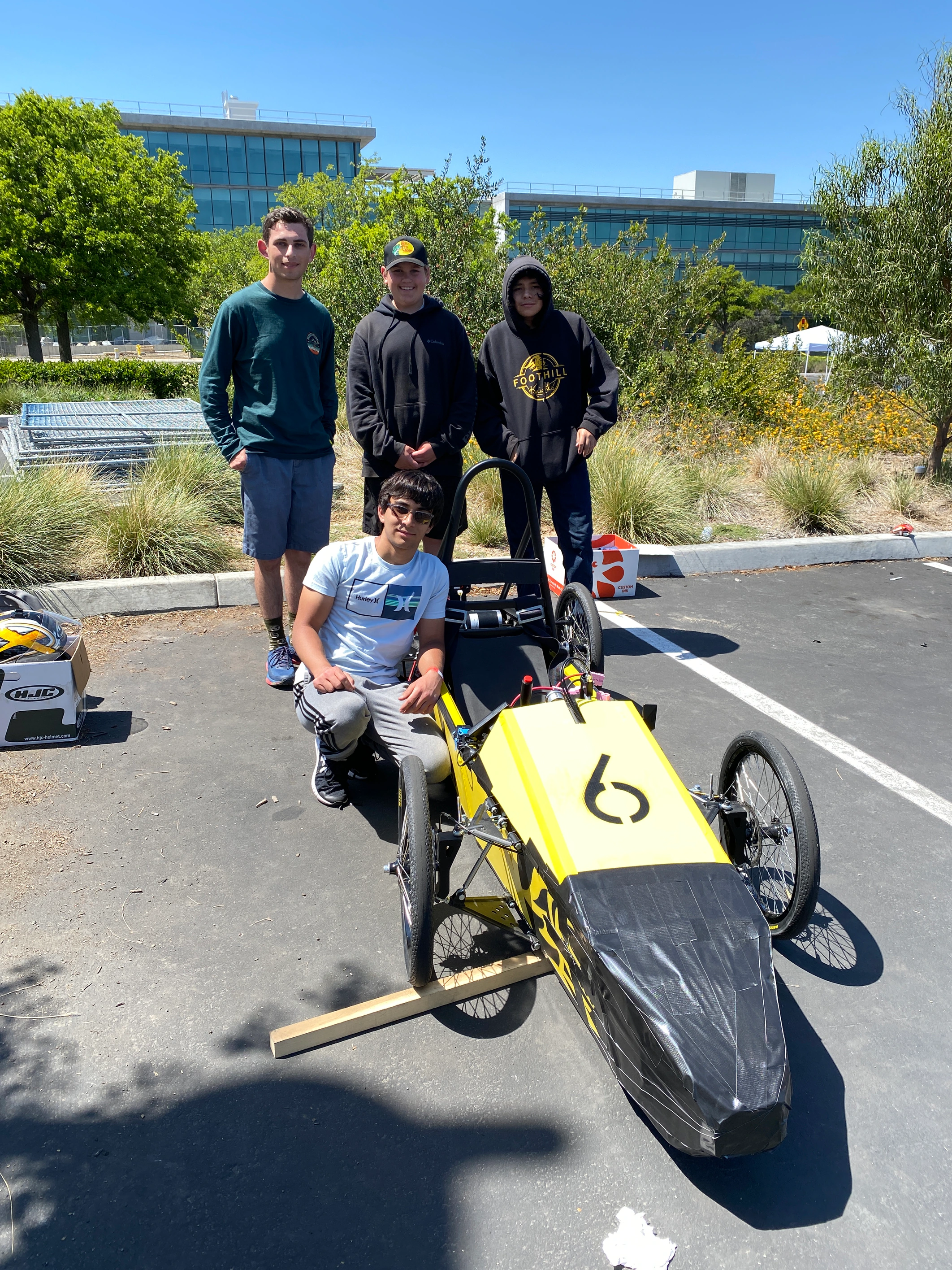
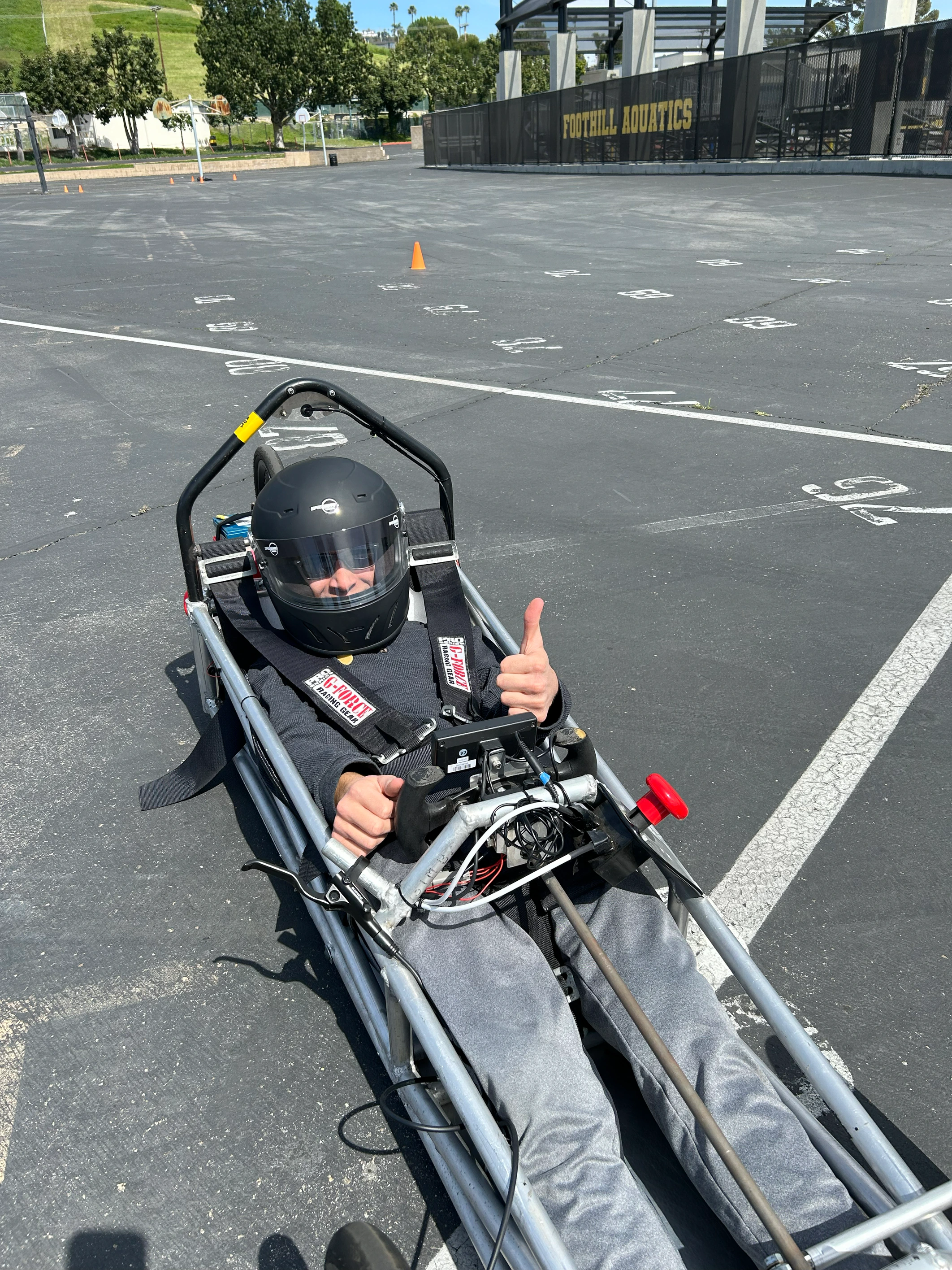
4 Years of designing, building, manufacturing,
testing and optimising go-karts for the Vital Link EV Challenge.
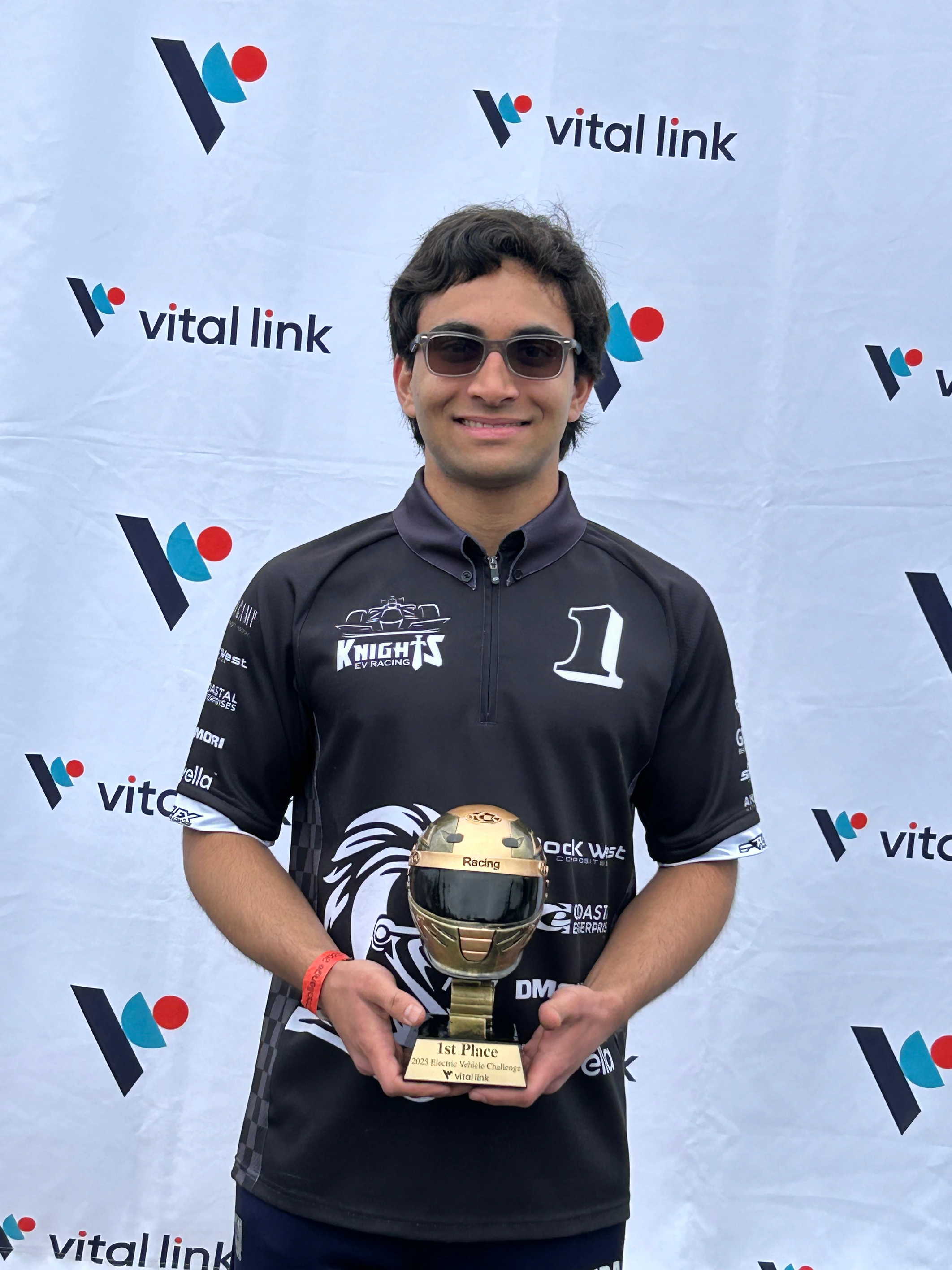
I let my race team during 2024 & 2025 seasons.
My team took 1st place all four years.
The competition rewards speed and energy efficiency.
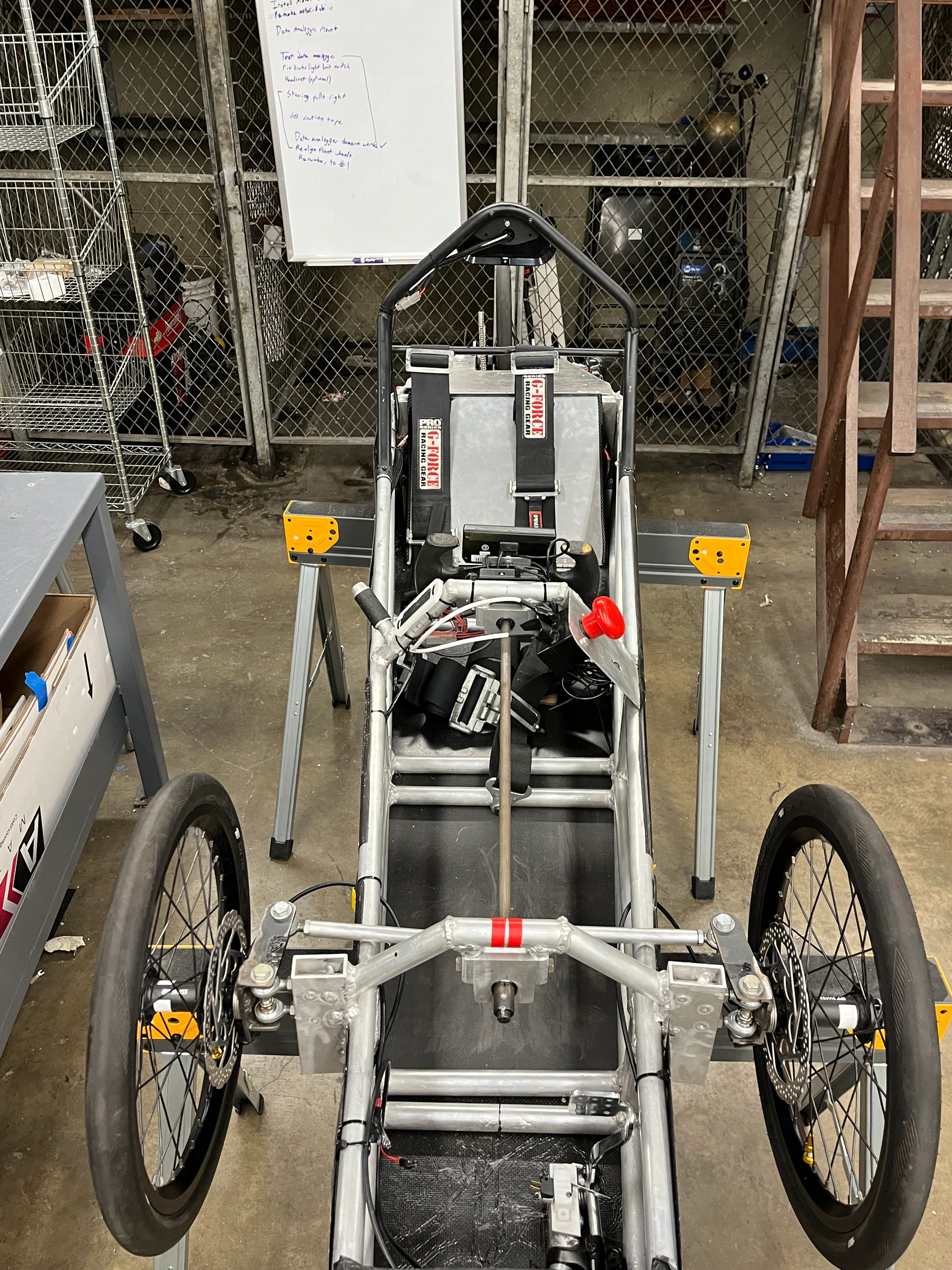
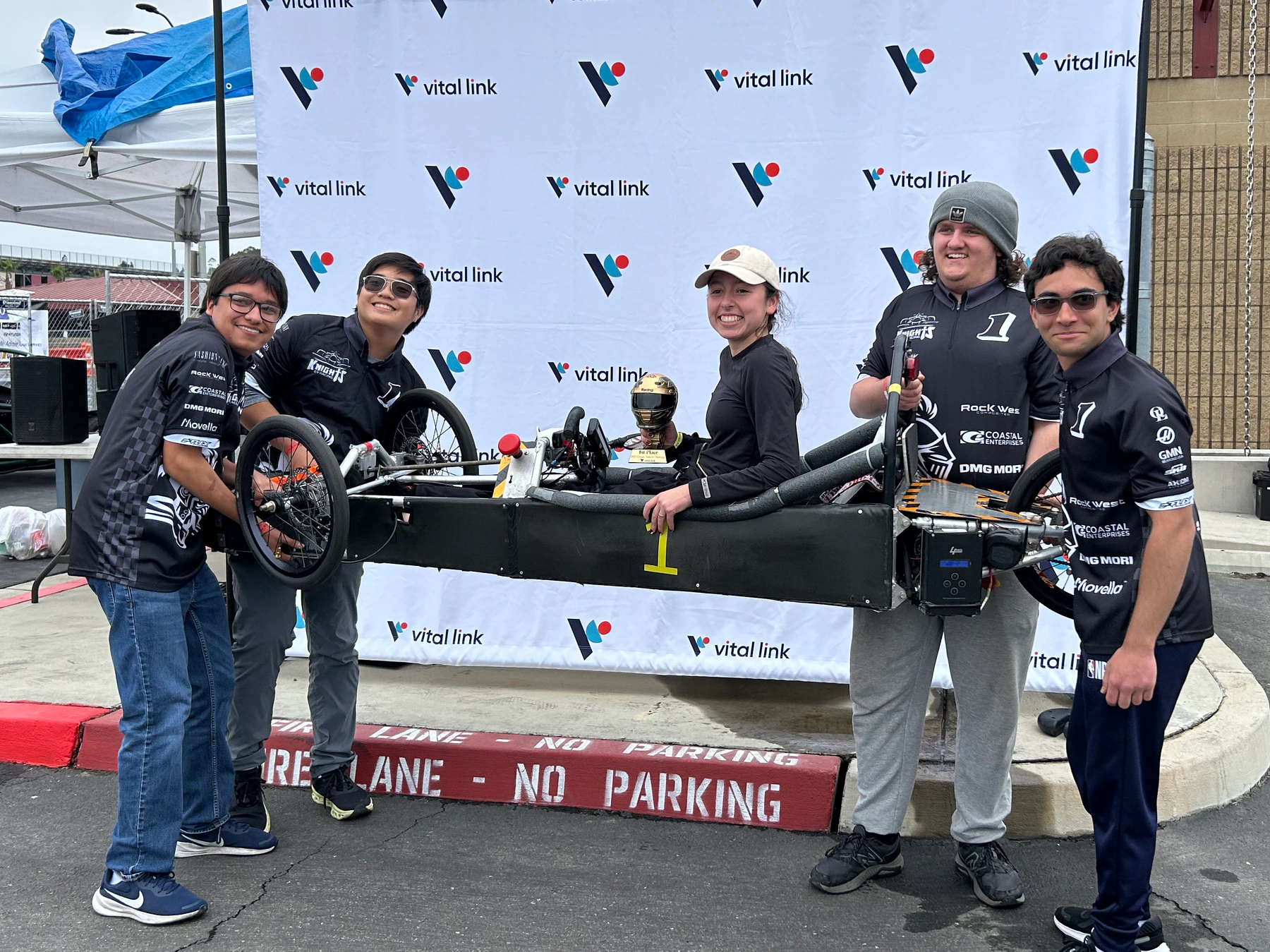
I was the team lead this year.
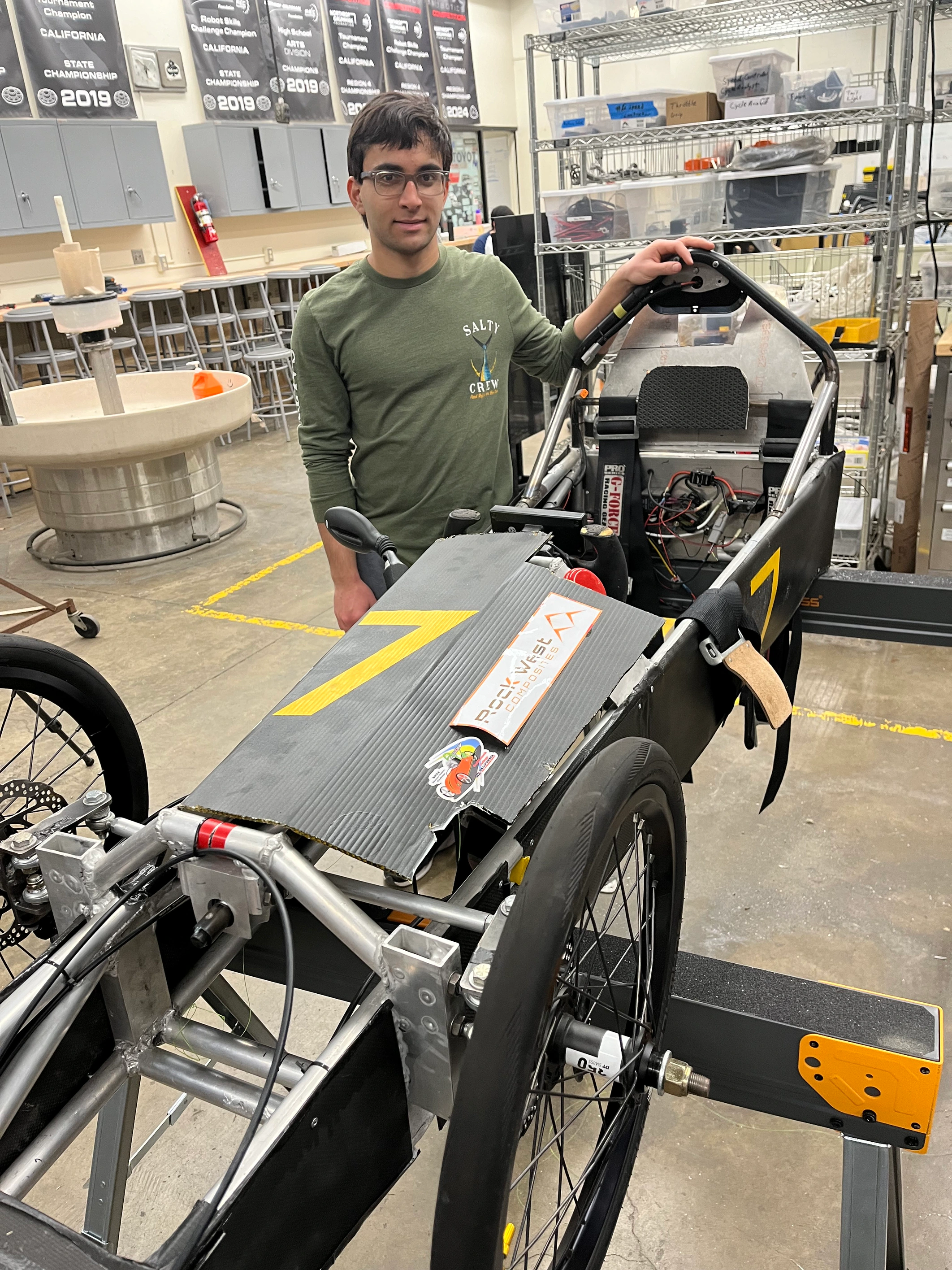
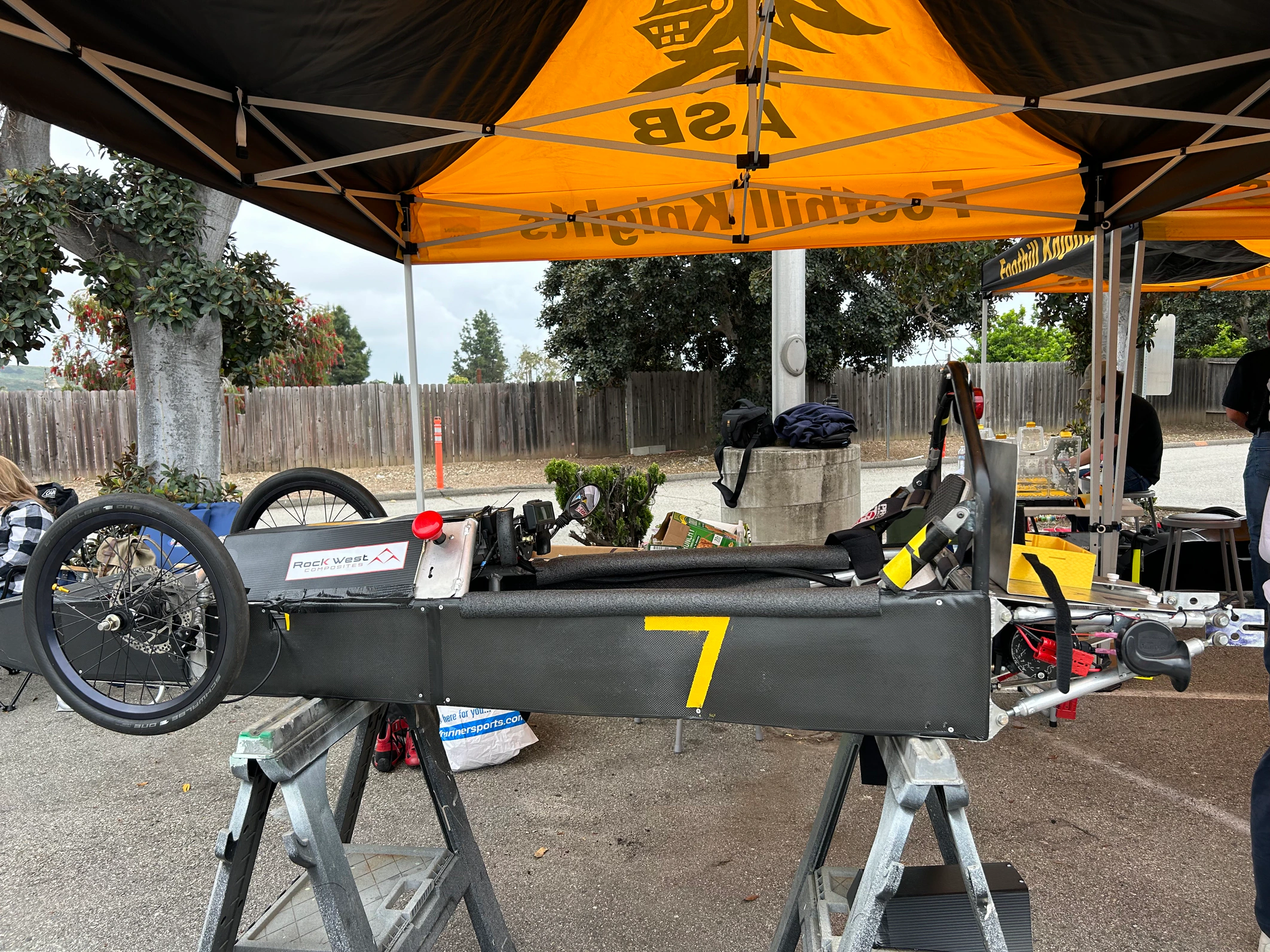
We refined our carbon fiber layup process and replaced
the load-bearing aluminum bottom panels with carbon fiber. This saved ~10lbs.
I implemented, tested and optimized a motor controller which gave us a significant
performance & efficiency improvement.
We improved our score by 100% from the previous year.
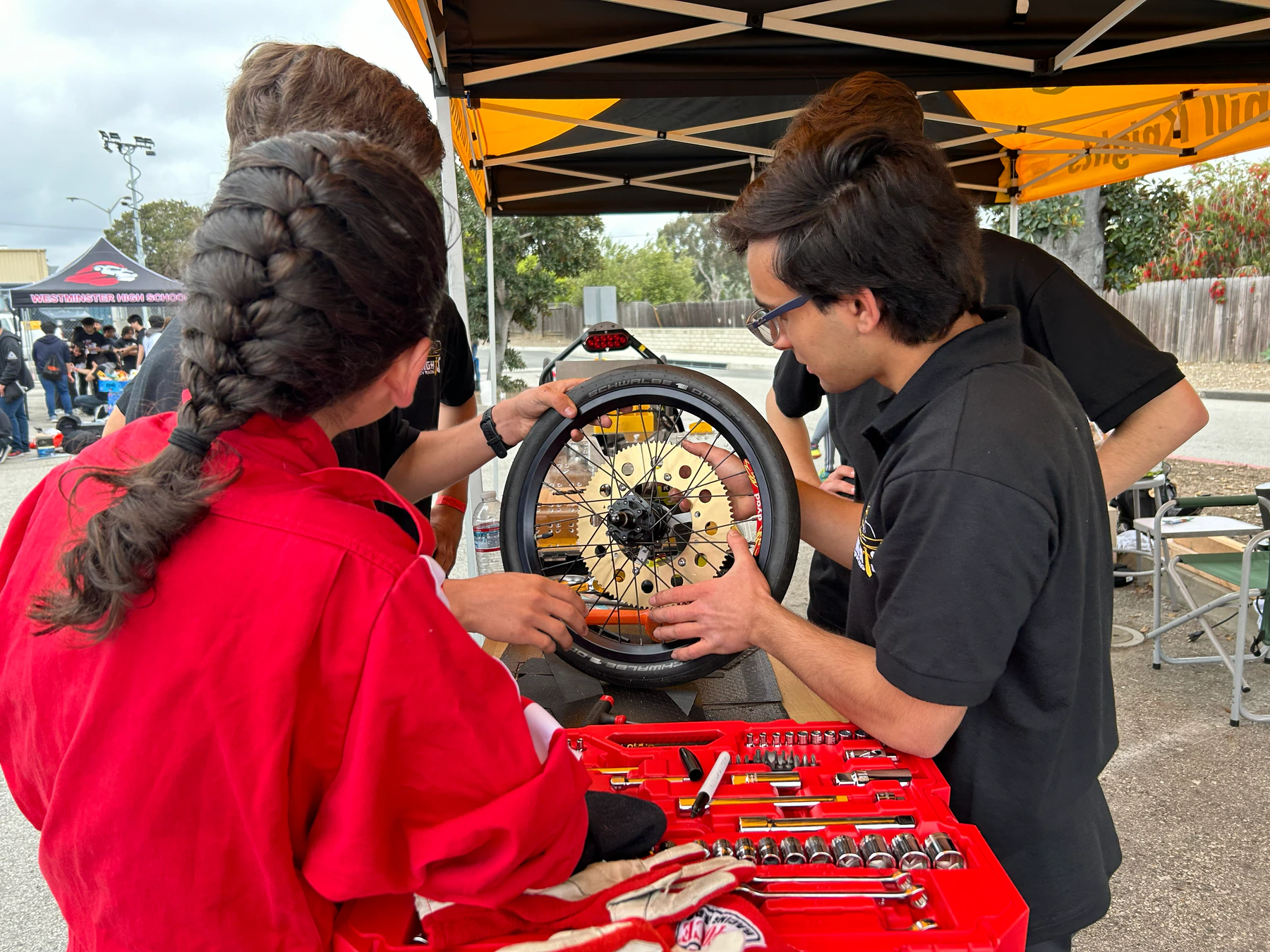
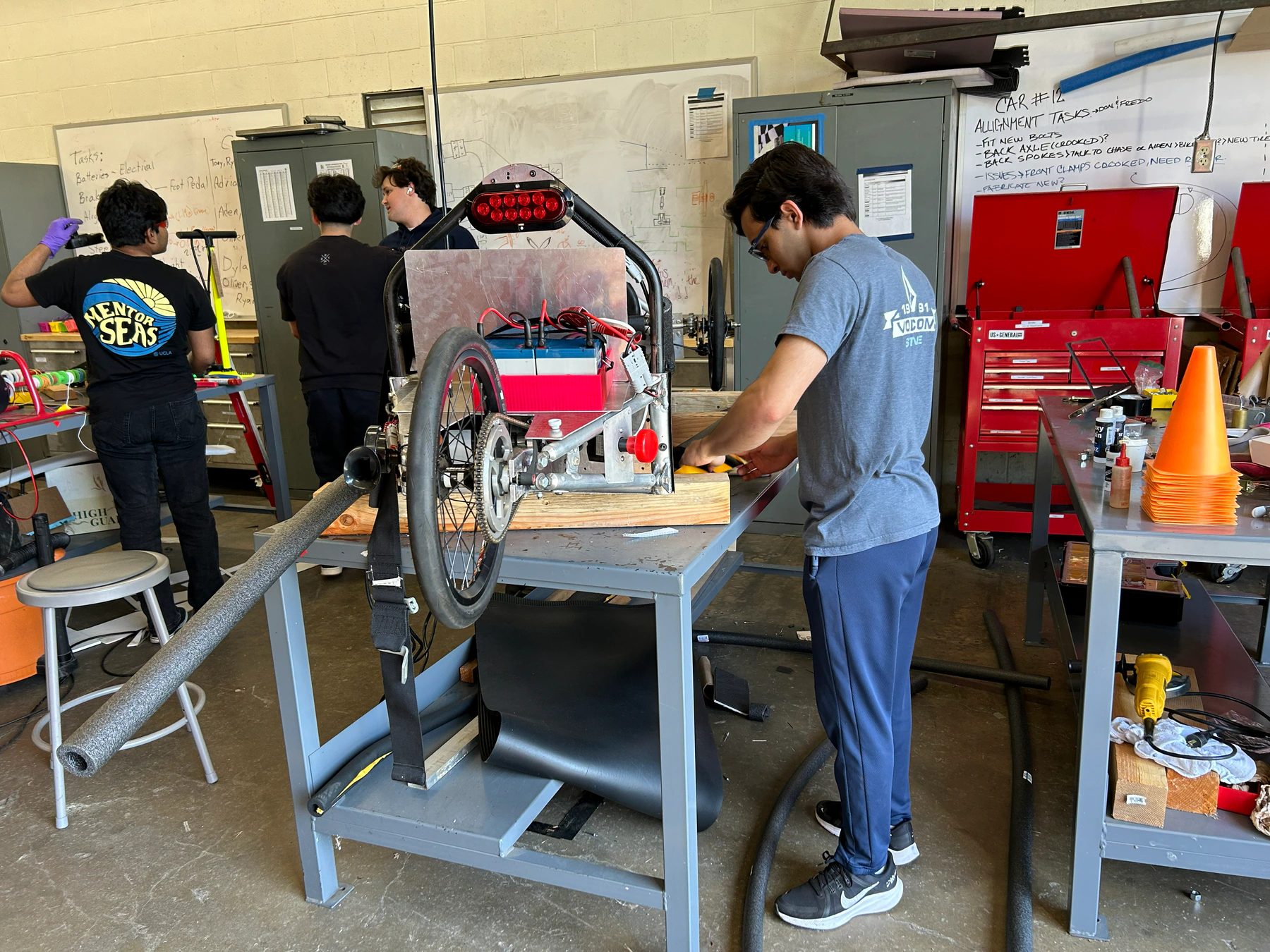
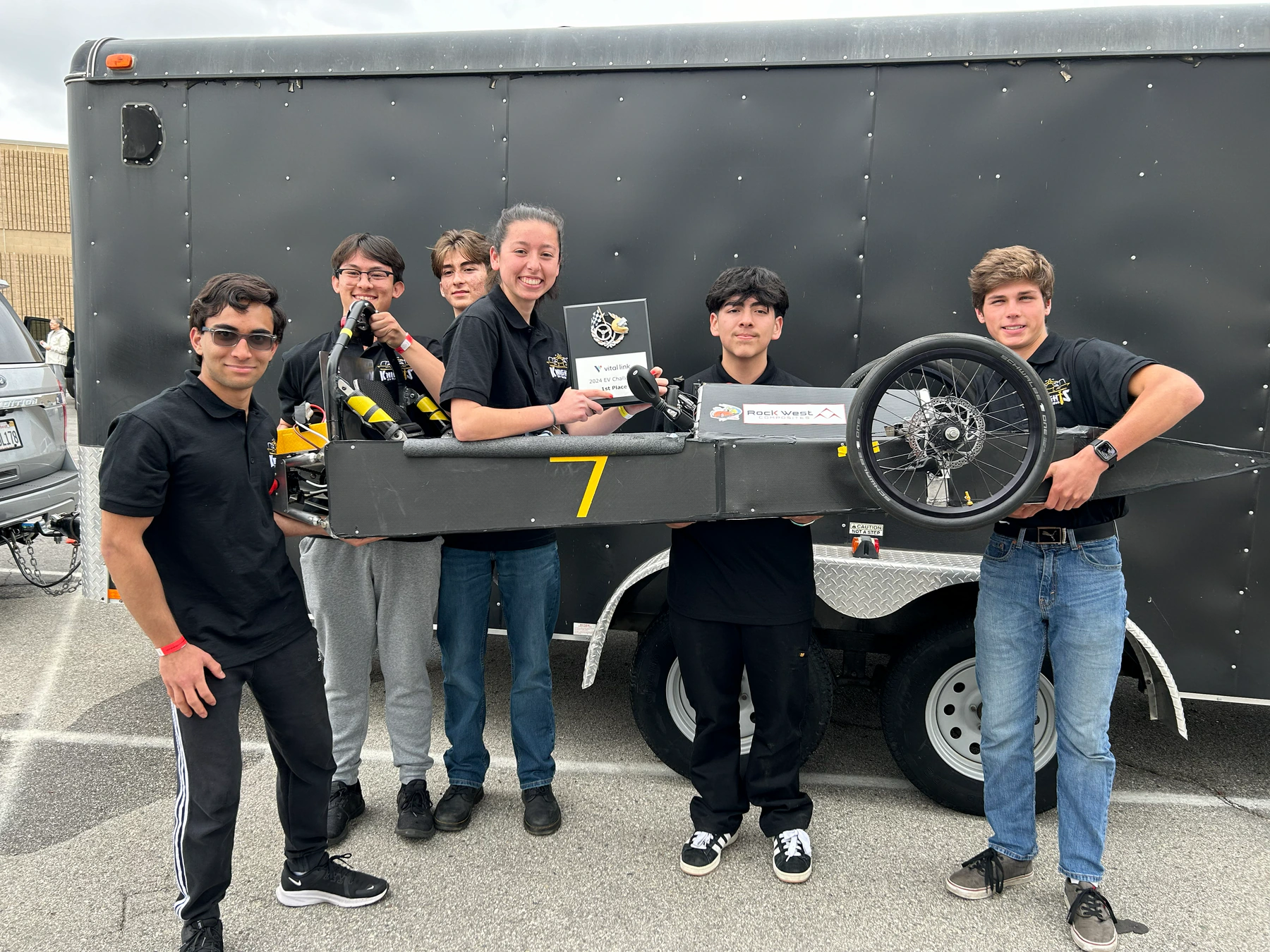
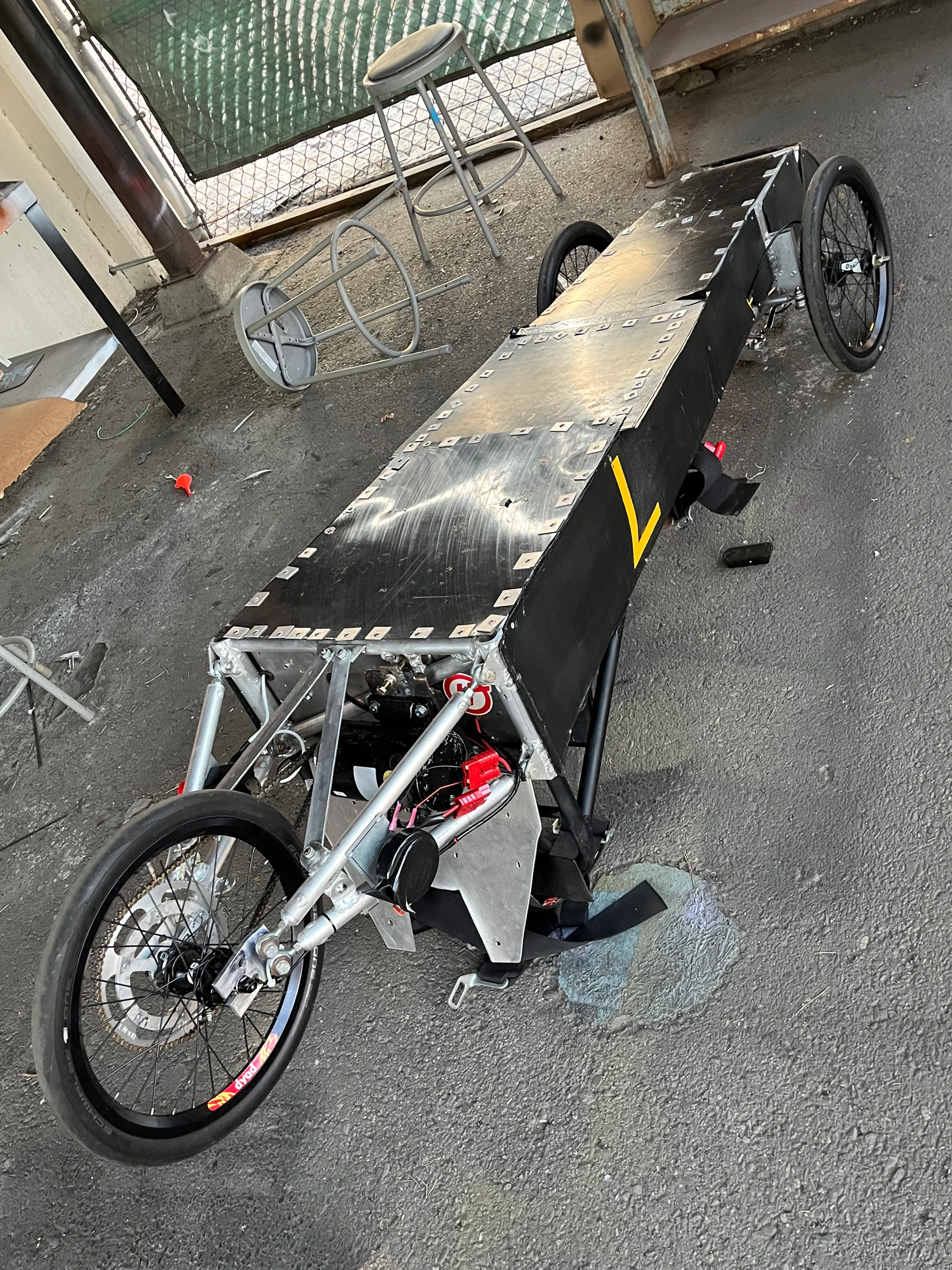
I was the team lead this year.
We started experimenting with carbon fiber layup.
We saved 10lbs by switching the side panels from aluminum
to carbon fiber.
I did research on electric motors
which I used to redesign the electrical system to be more efficient.
We also switched batteries to adhere to the updated rules and improve performance.
Our score improved by 40% from the previous year.
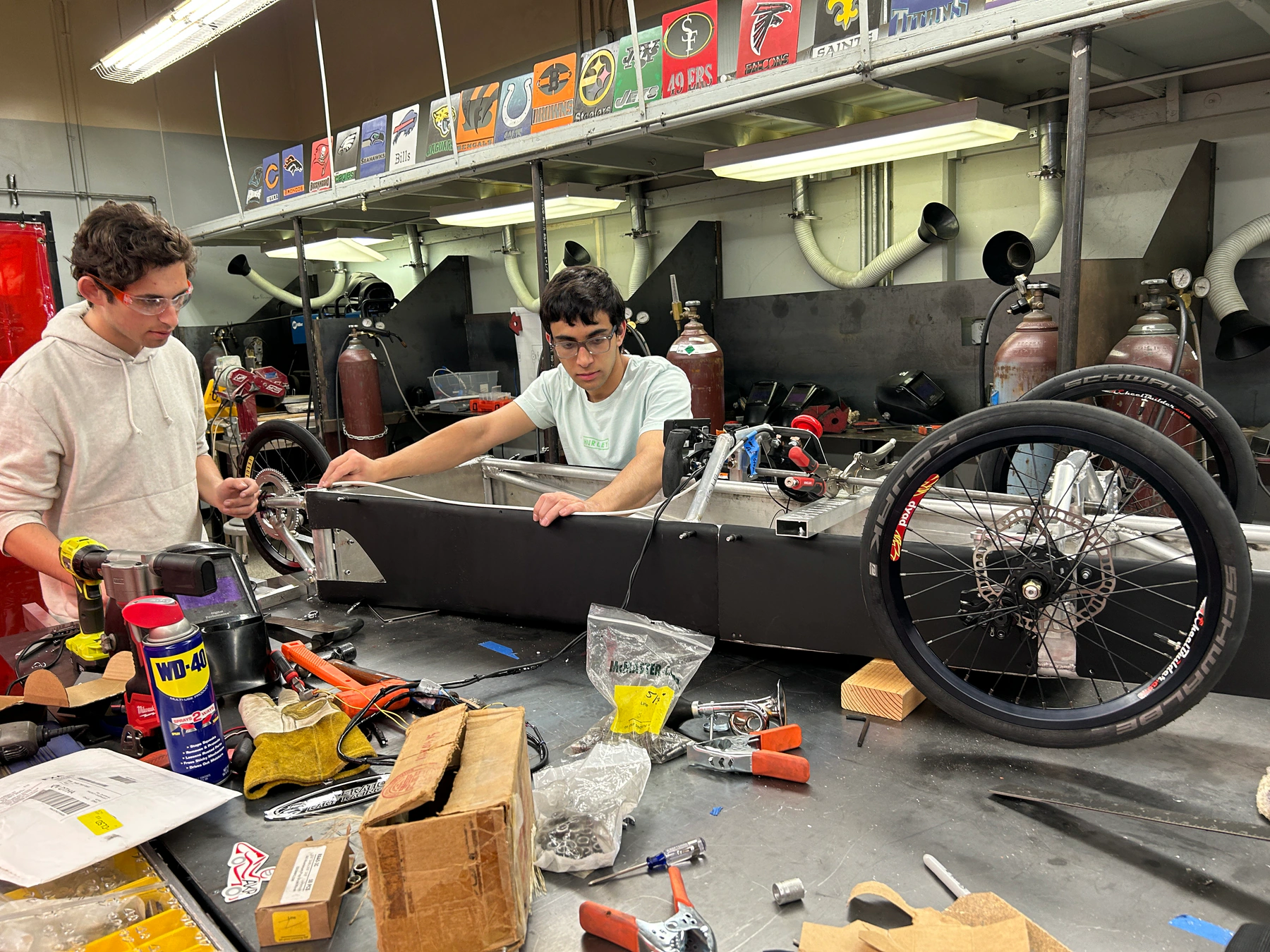
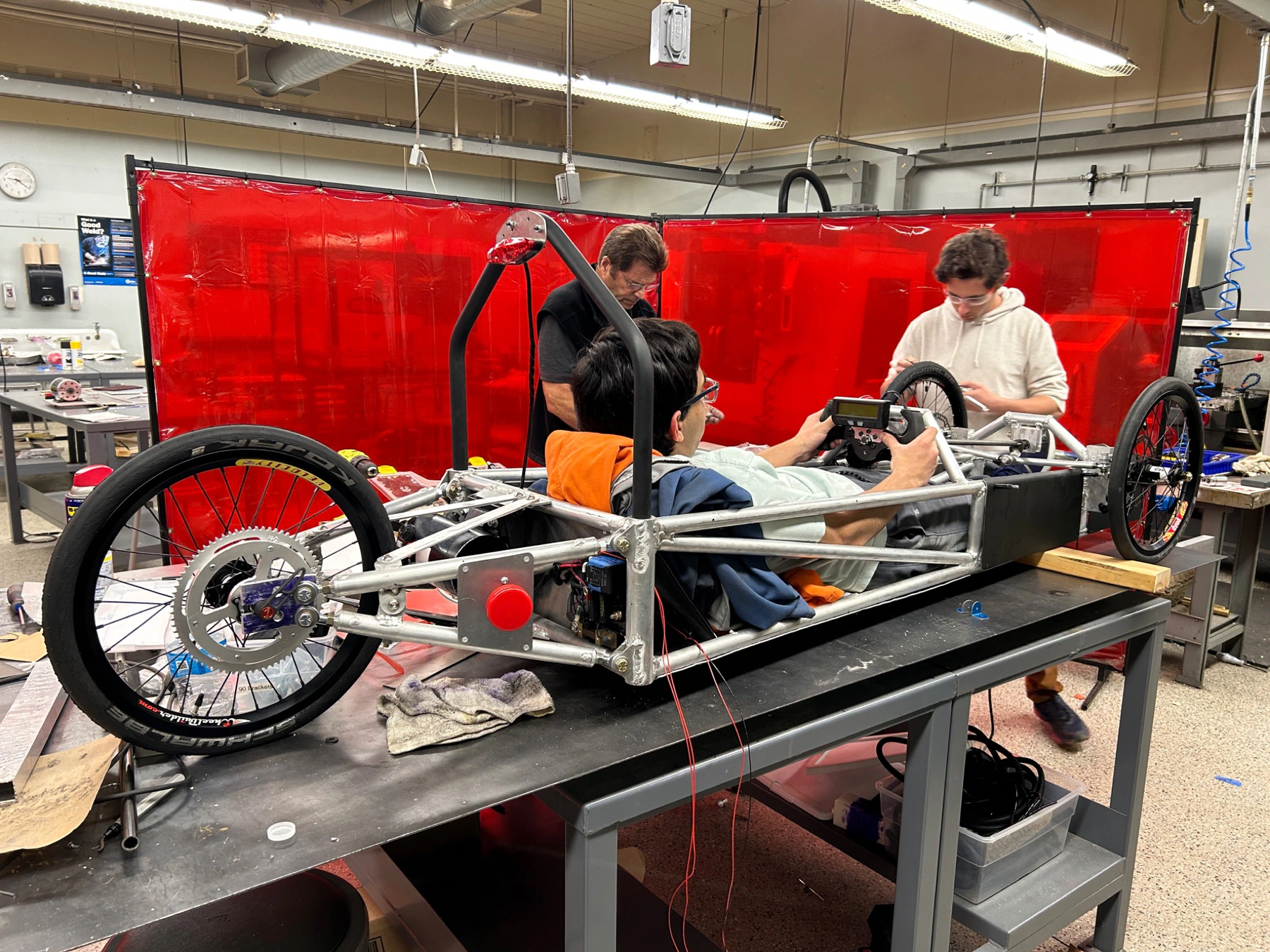
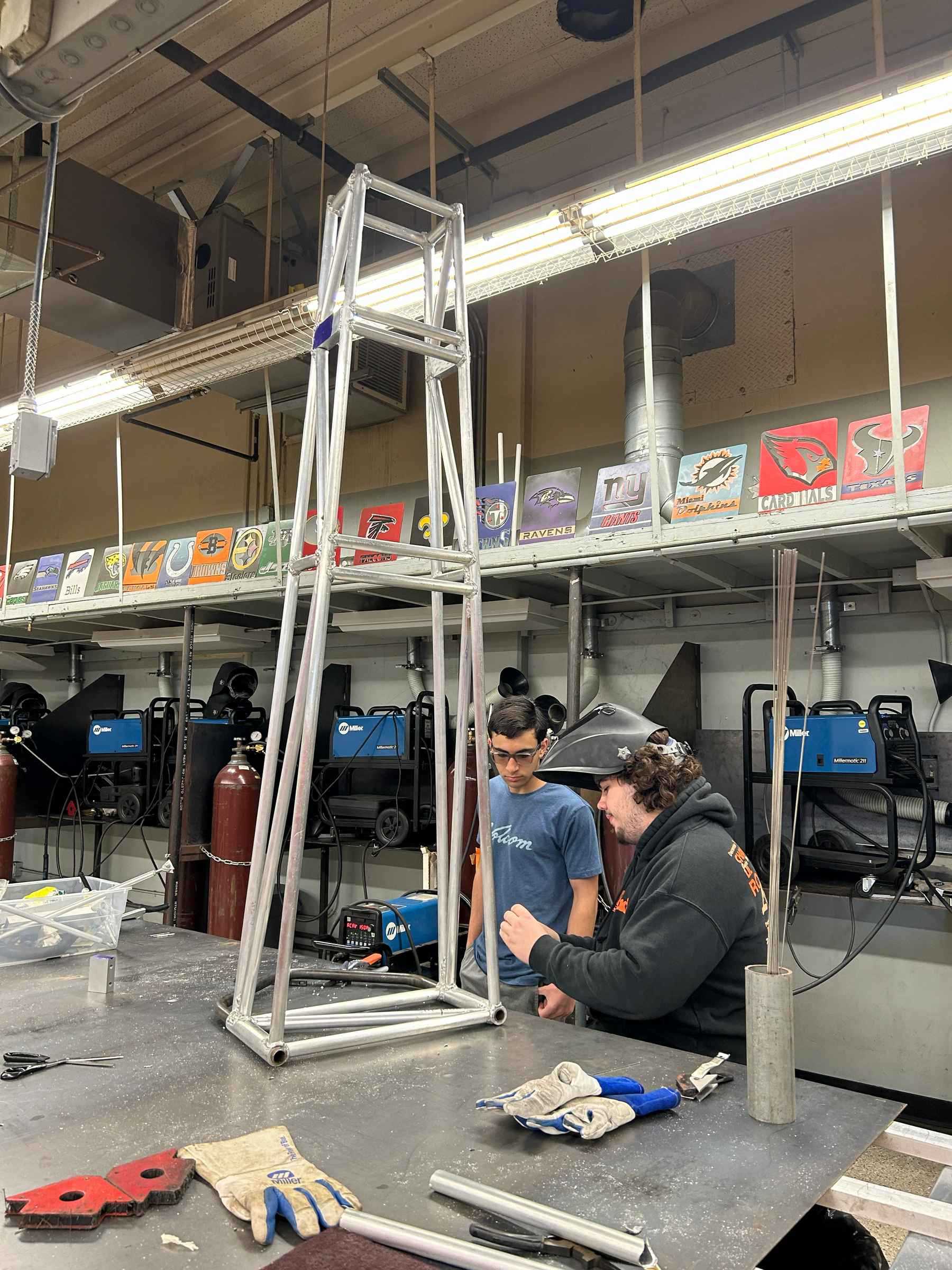
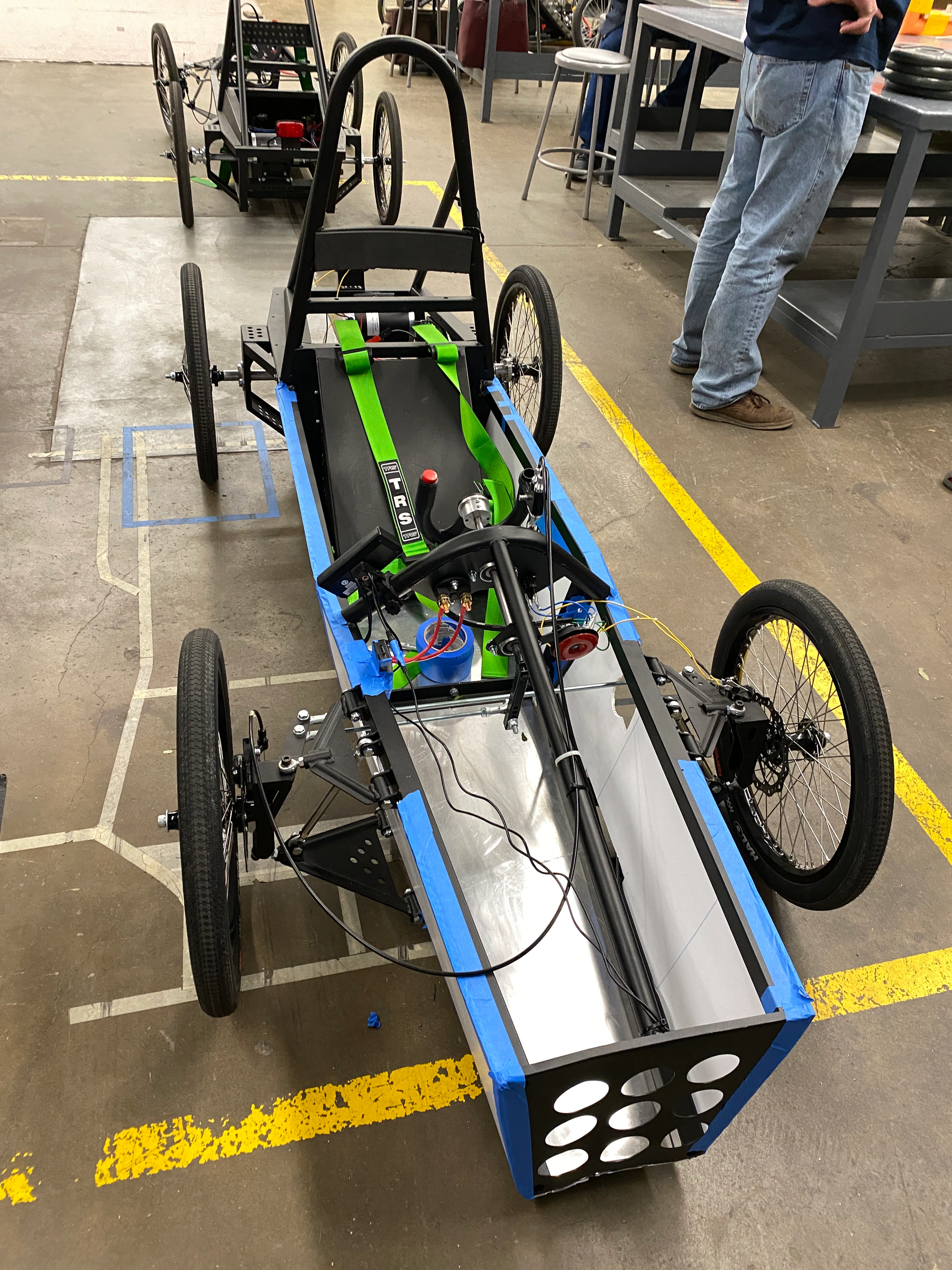
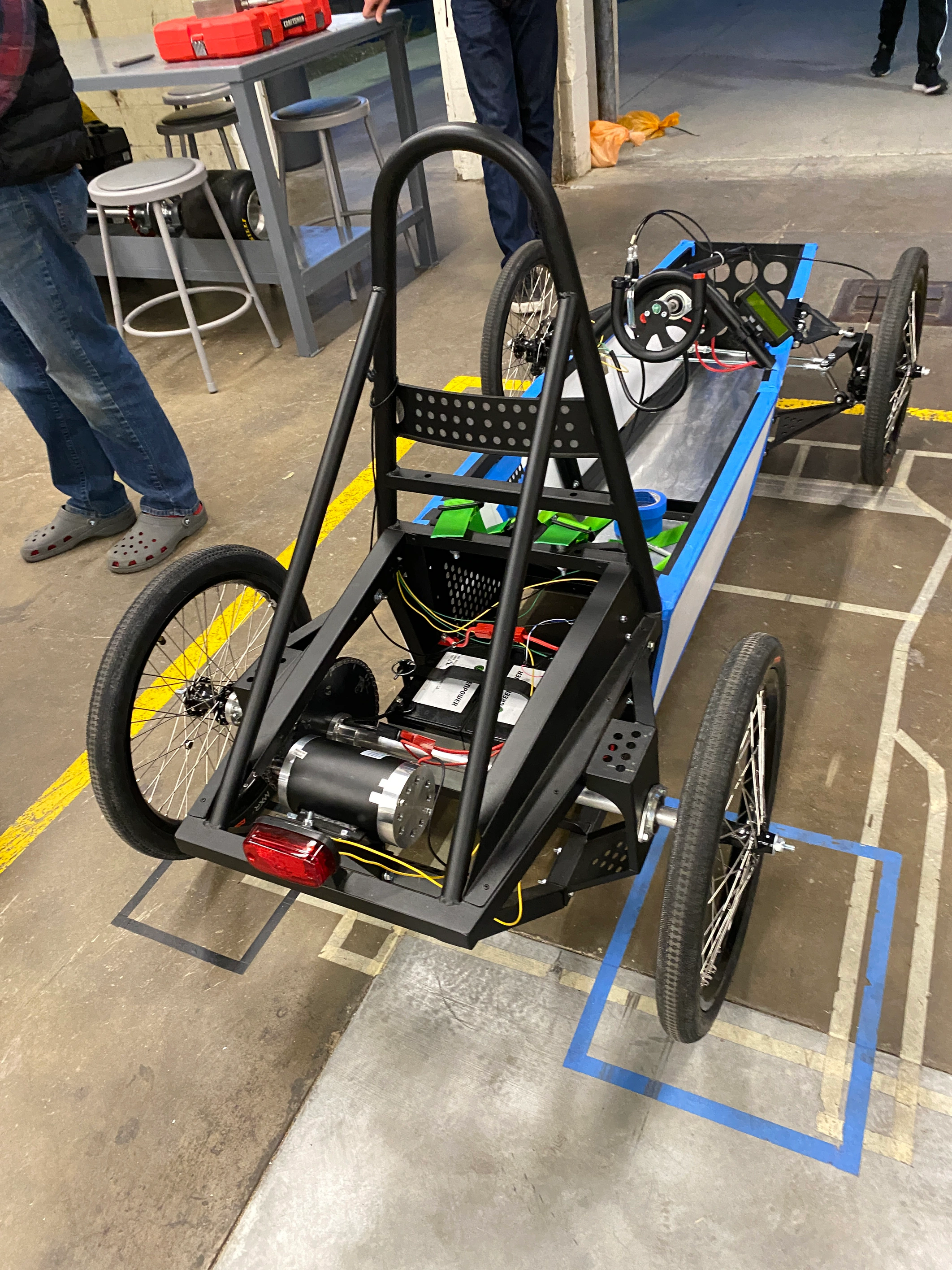
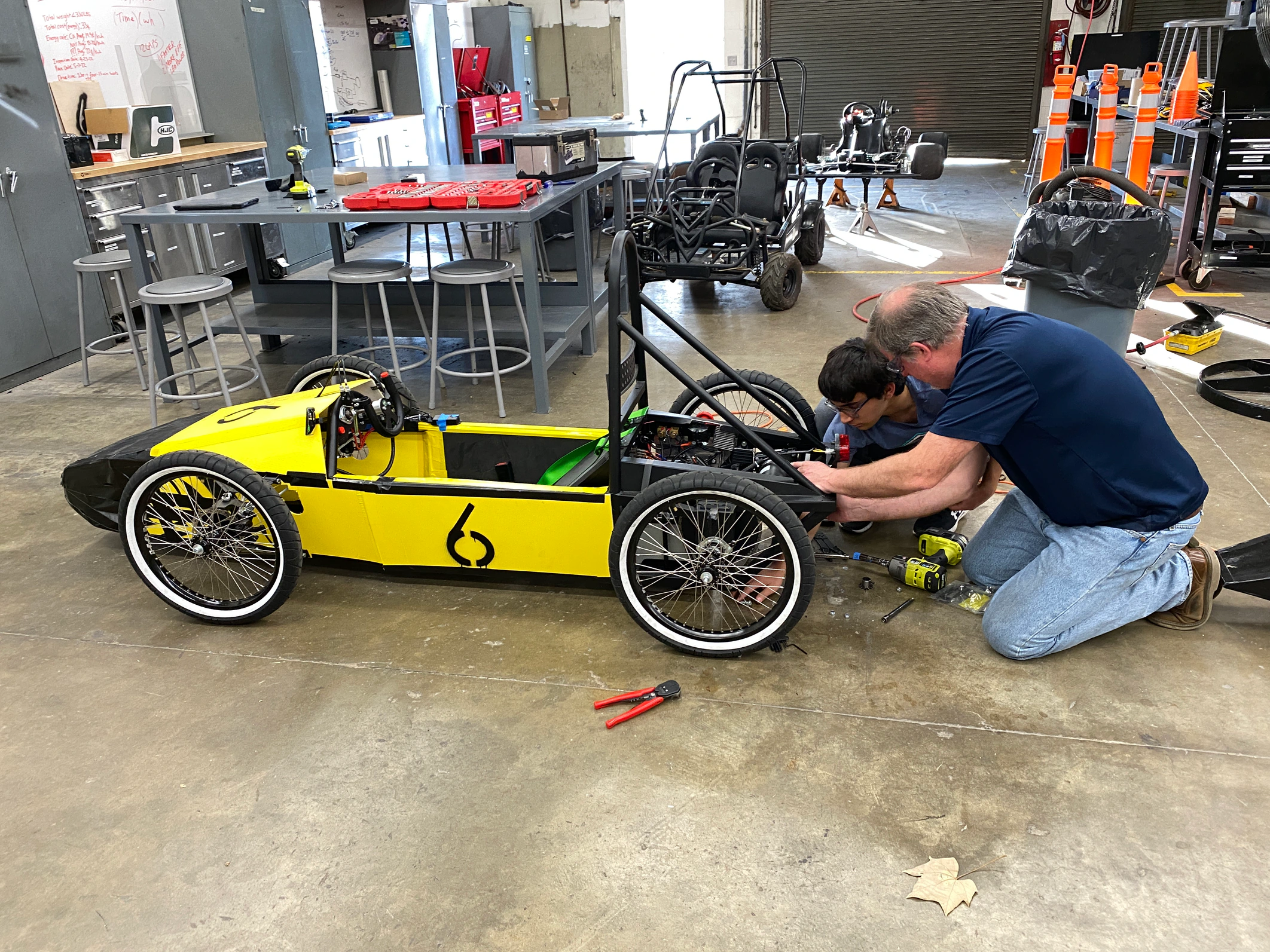
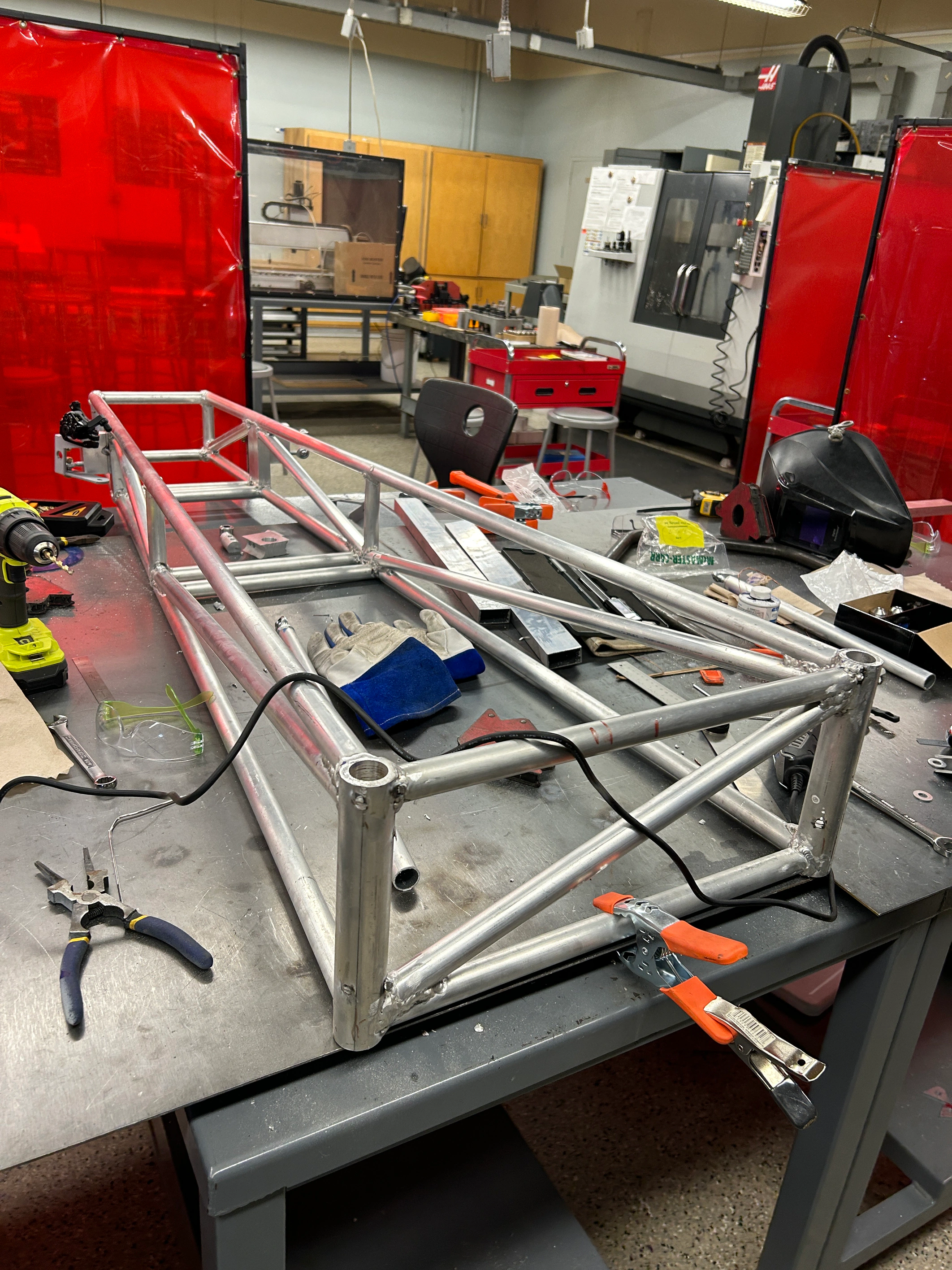
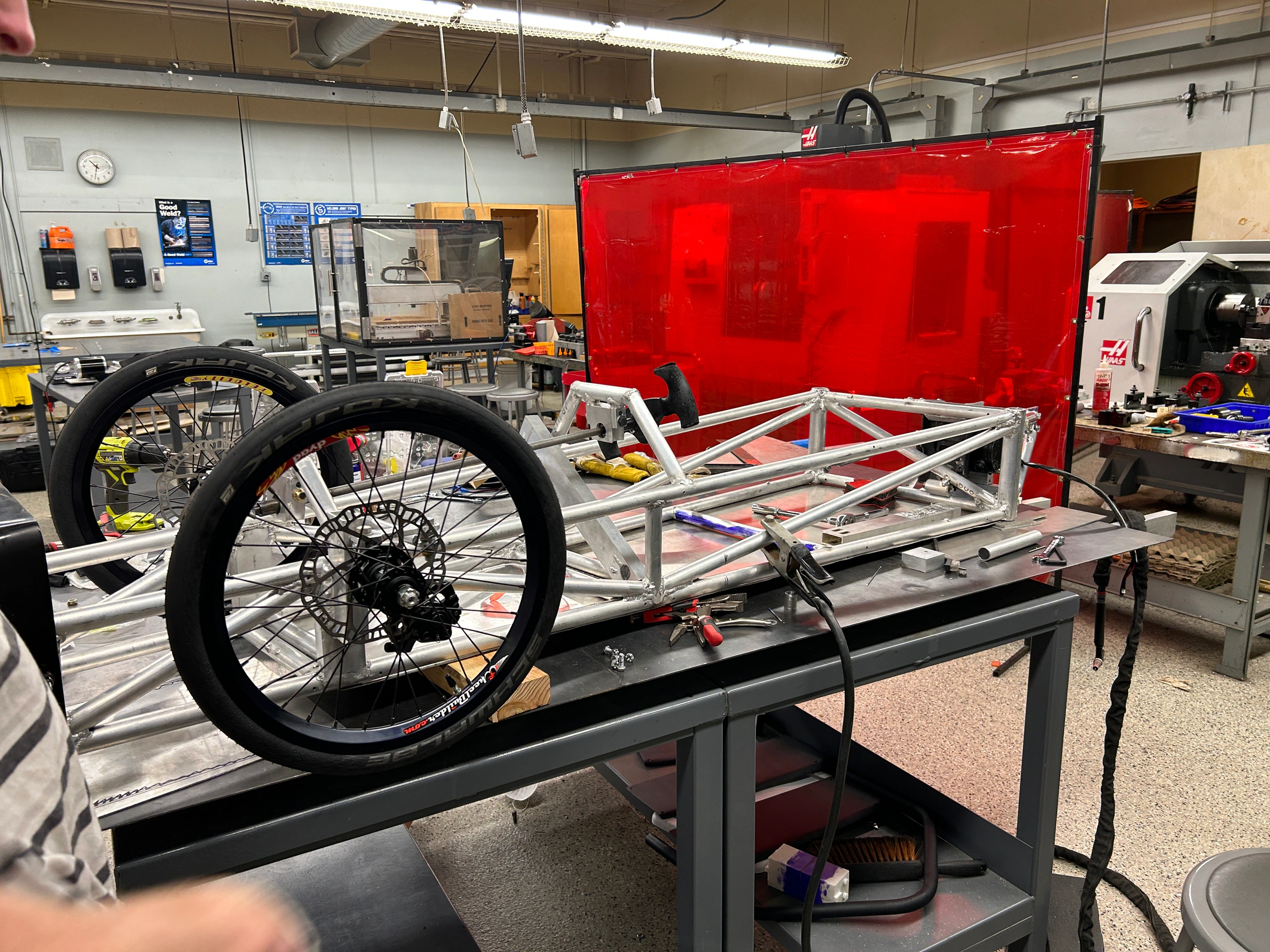
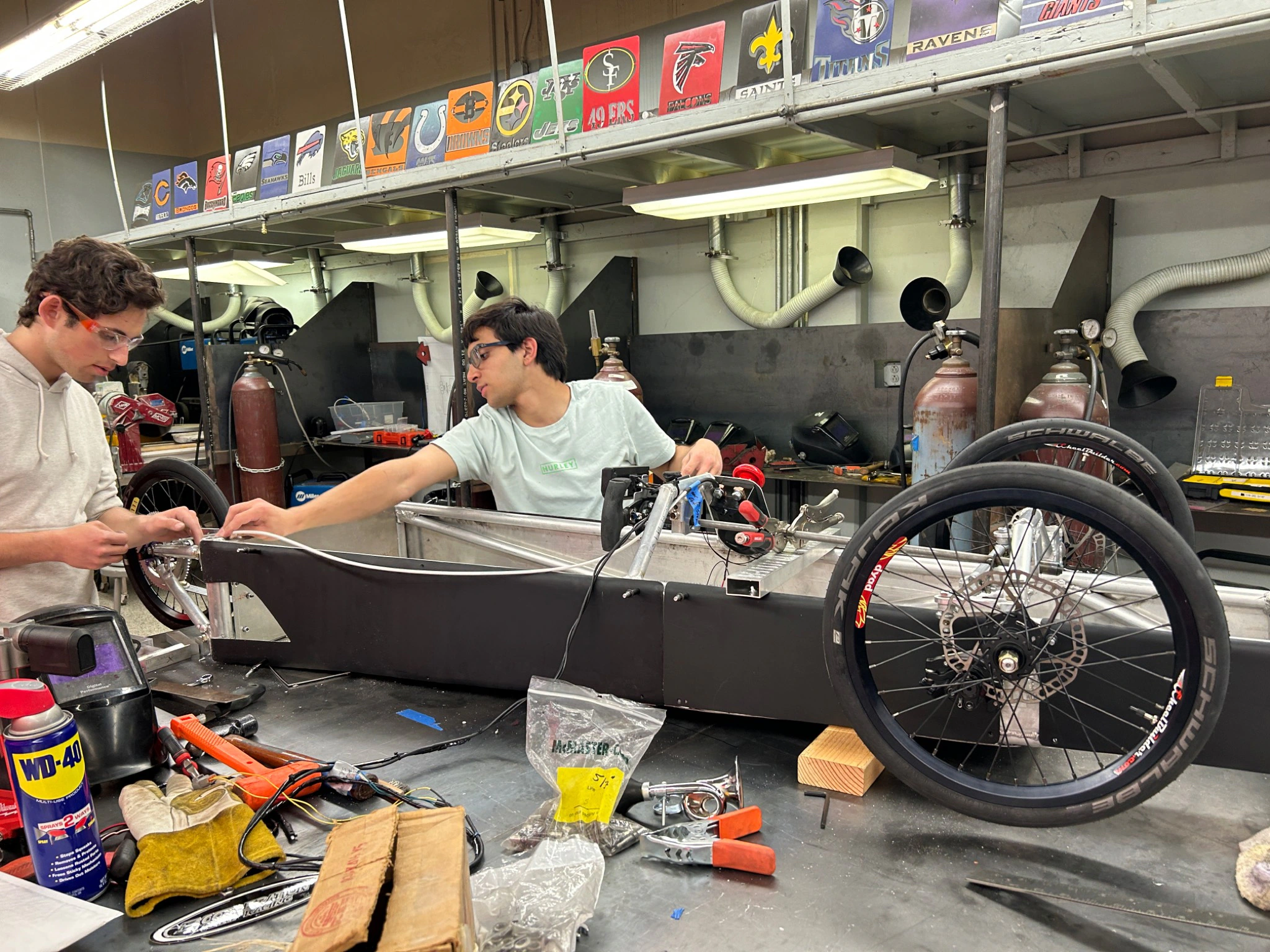
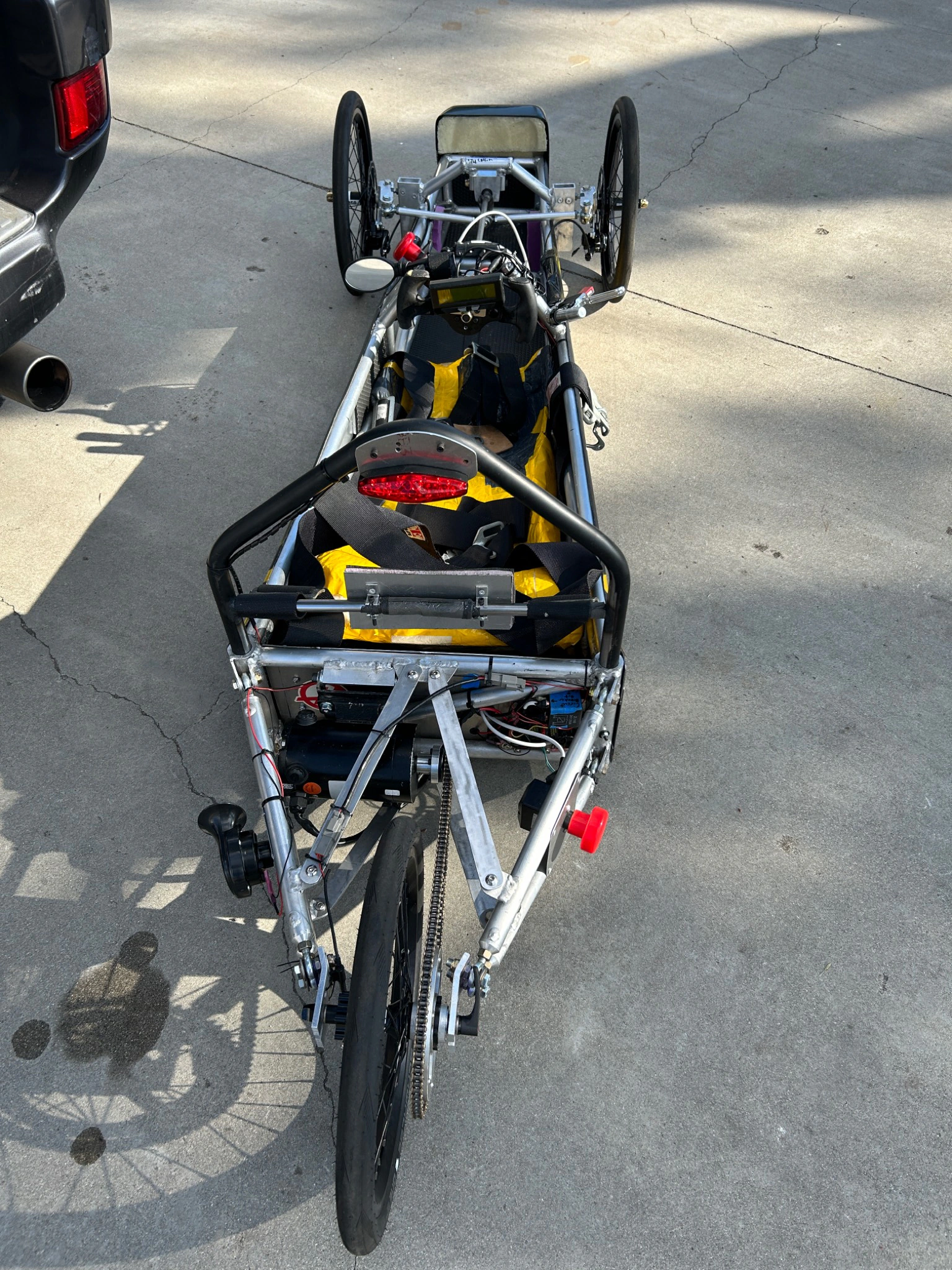
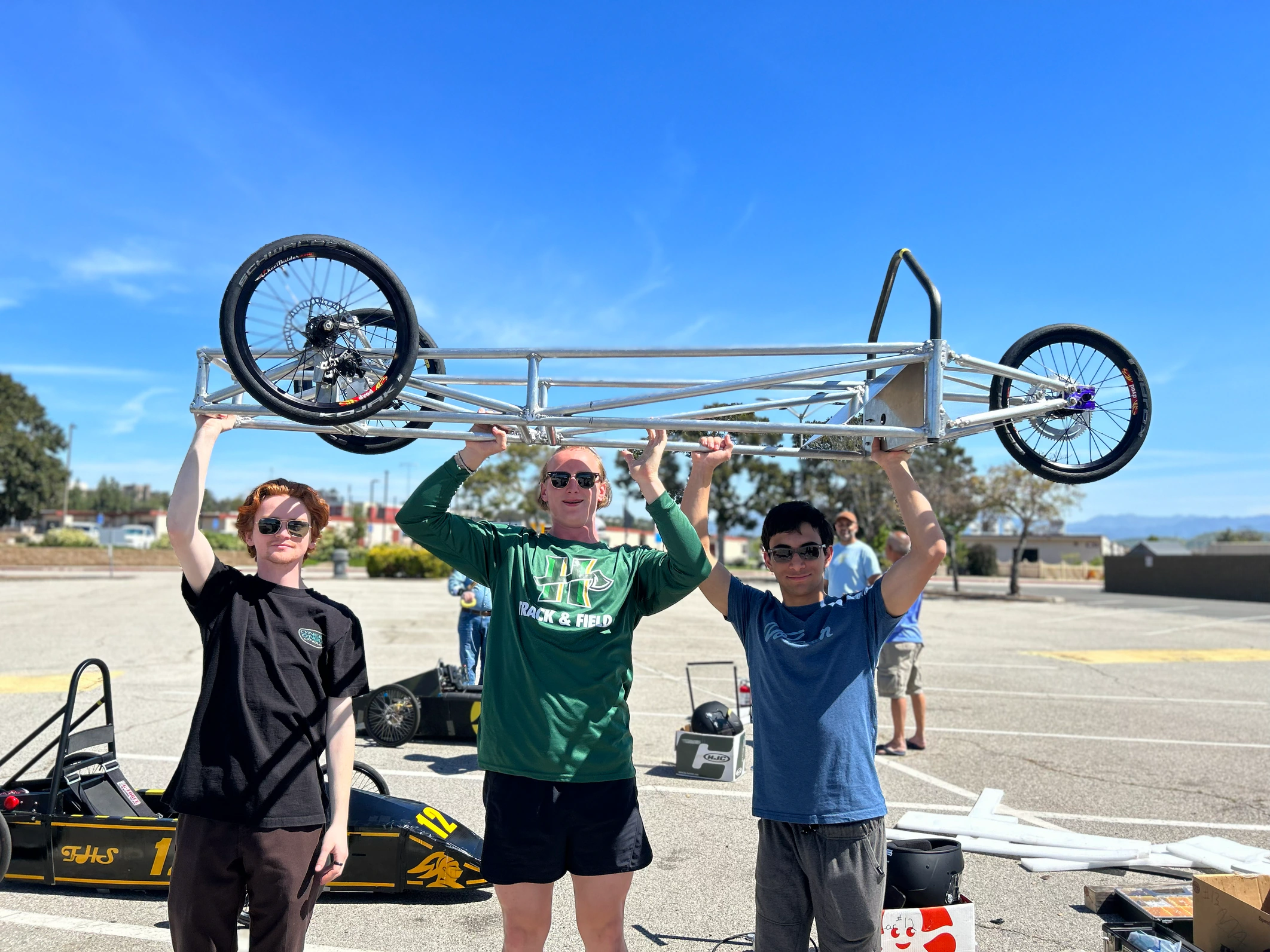
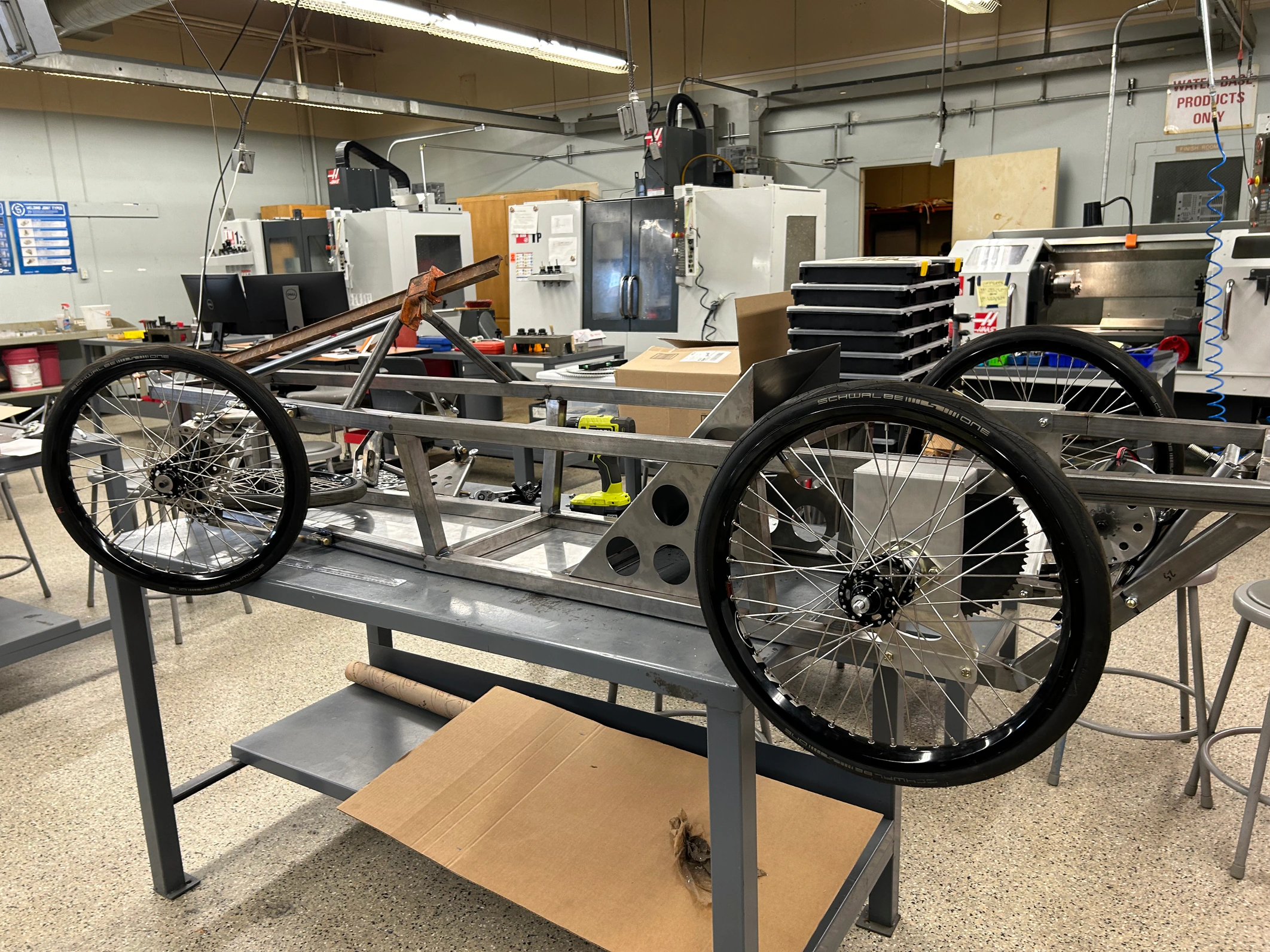
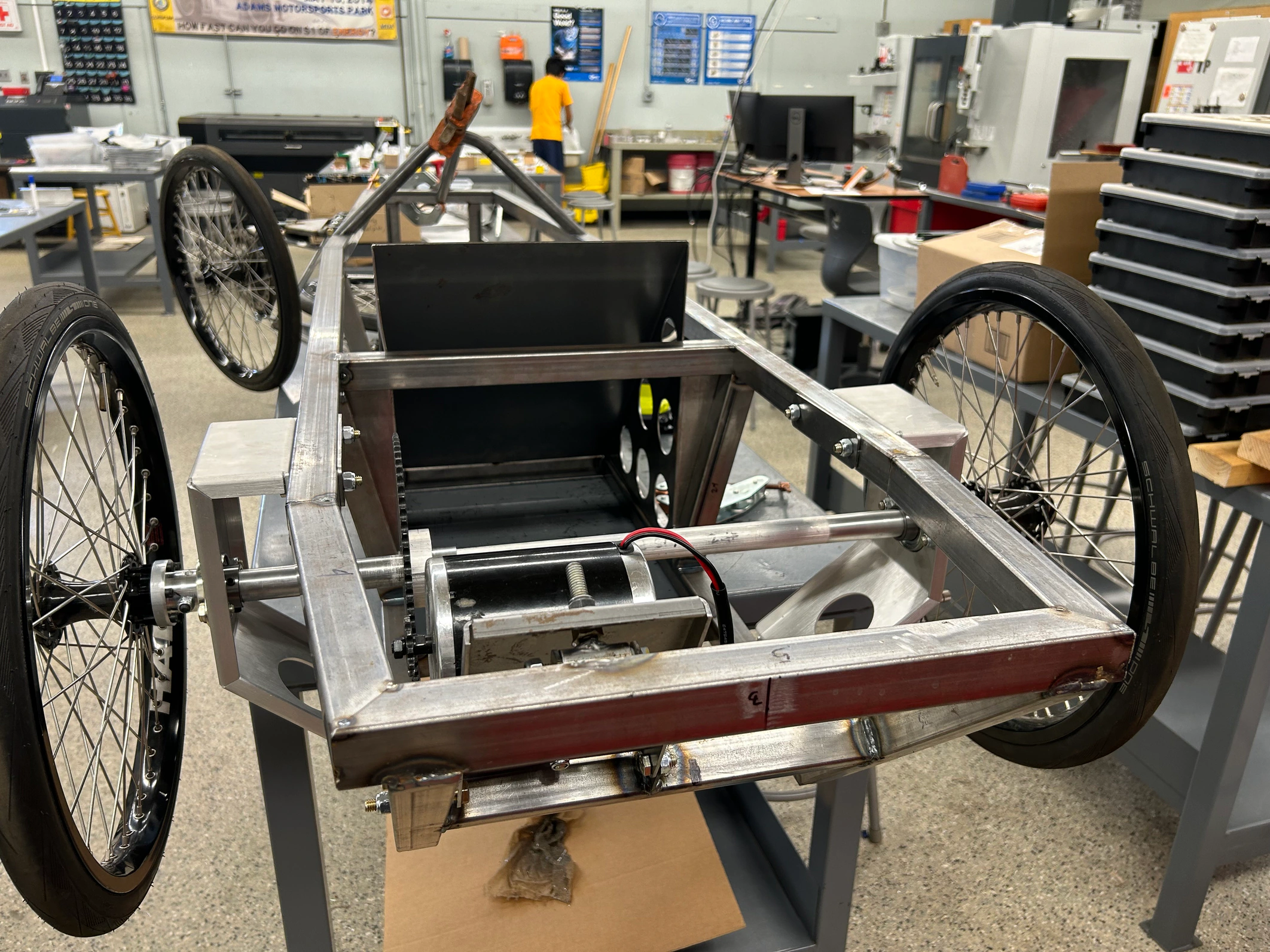
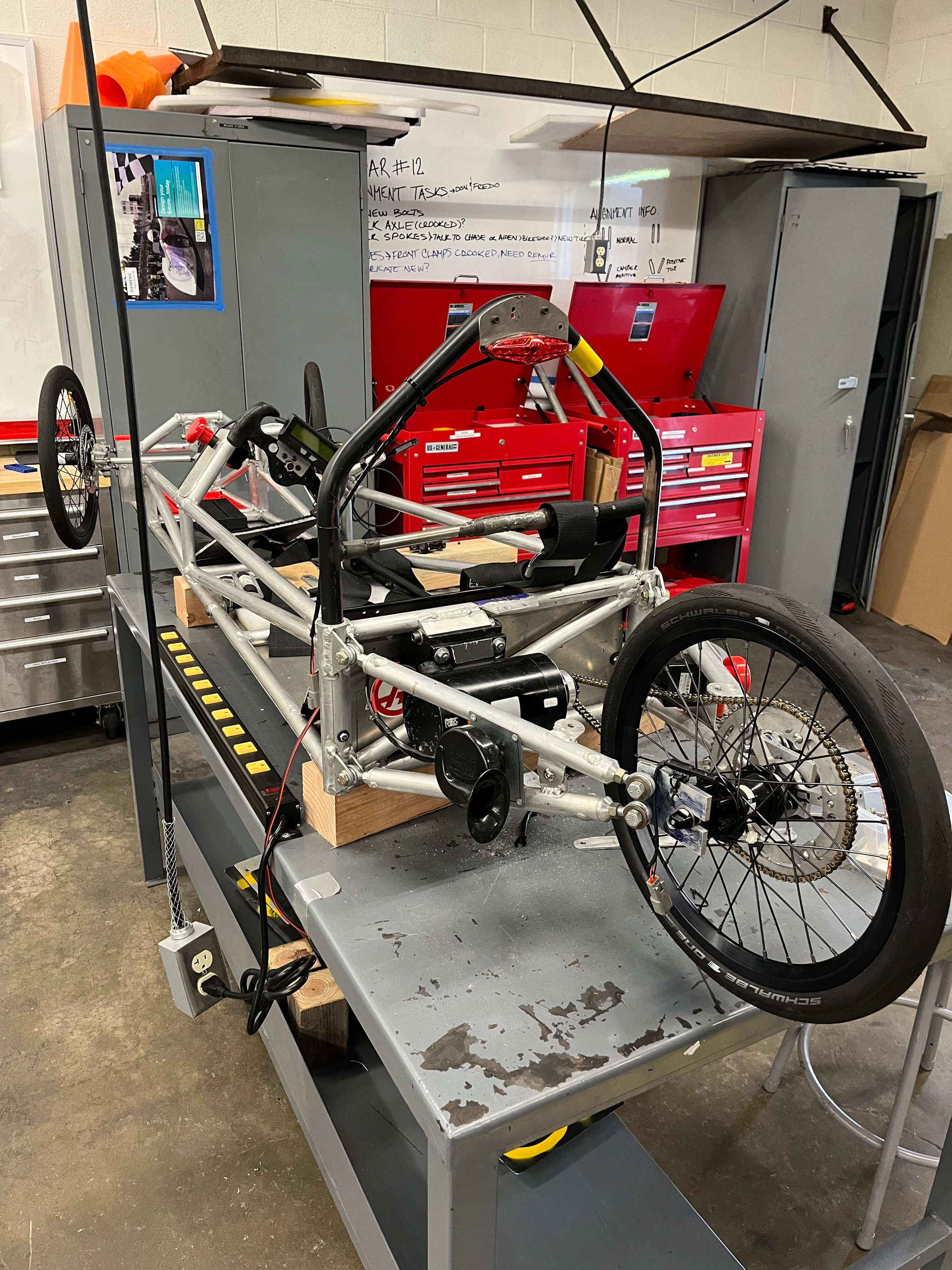
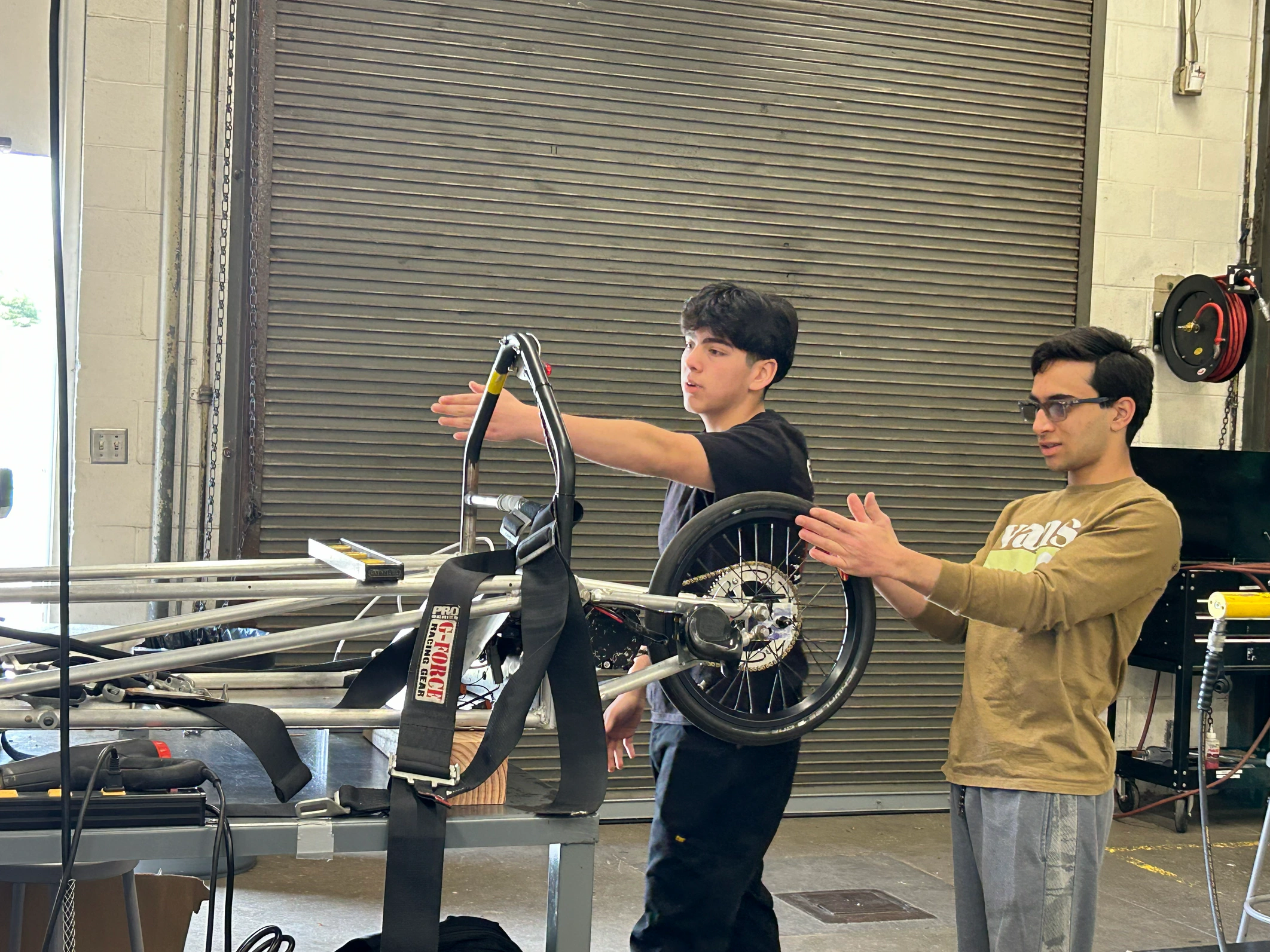
We designed and built a fully
custom car from TIG welded aluminum tubes.
It weighed 100lbs while the original steel kit from the year prior weighed 250lbs.
We also used new batteries and implemented a free-wheeling similar to the one
used on a bike which significantly improved energy efficiency.
I designed and built the entire electrical system and helped with manufacturing.
Our score improved by 60% from the previous year.
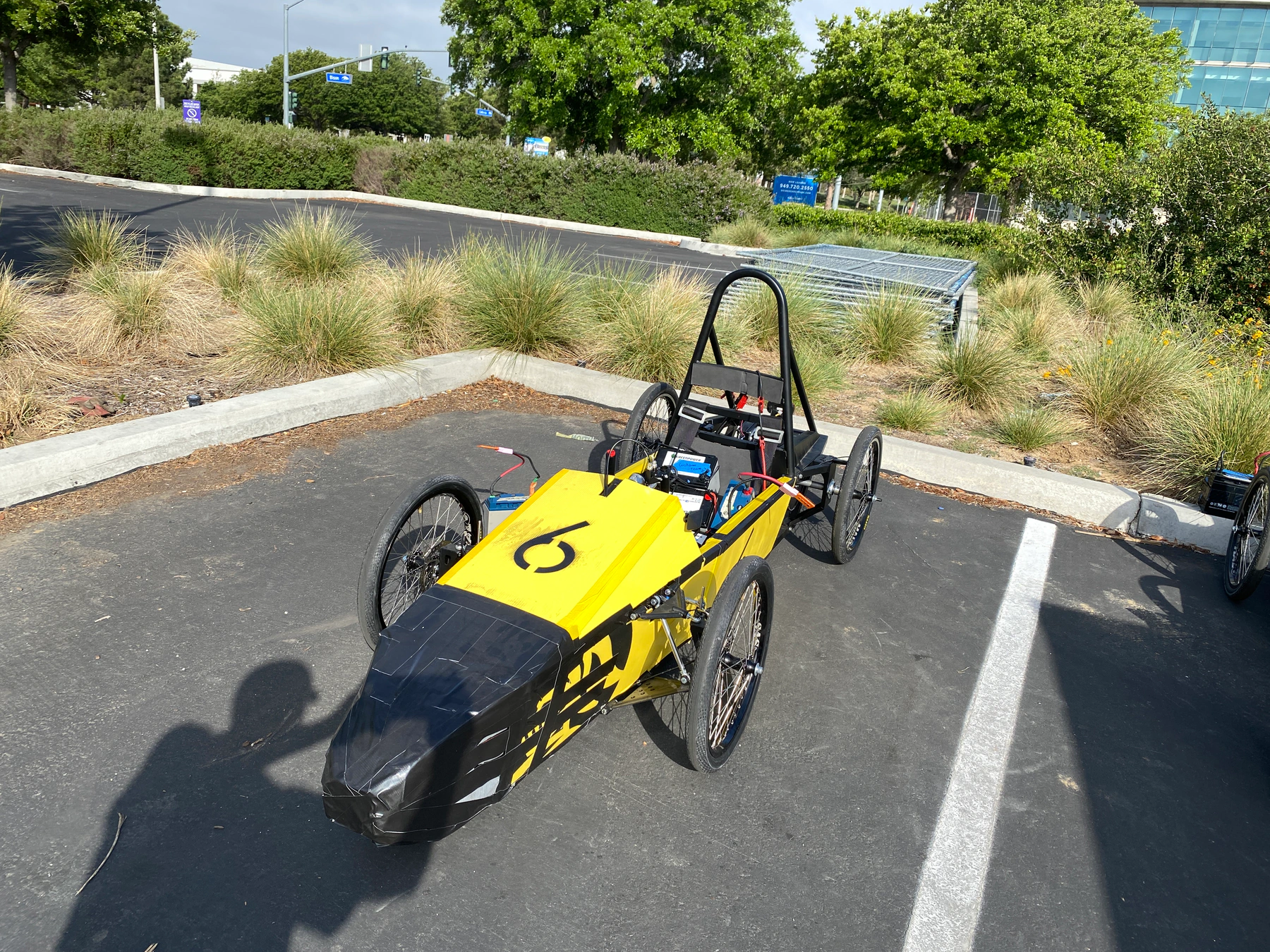
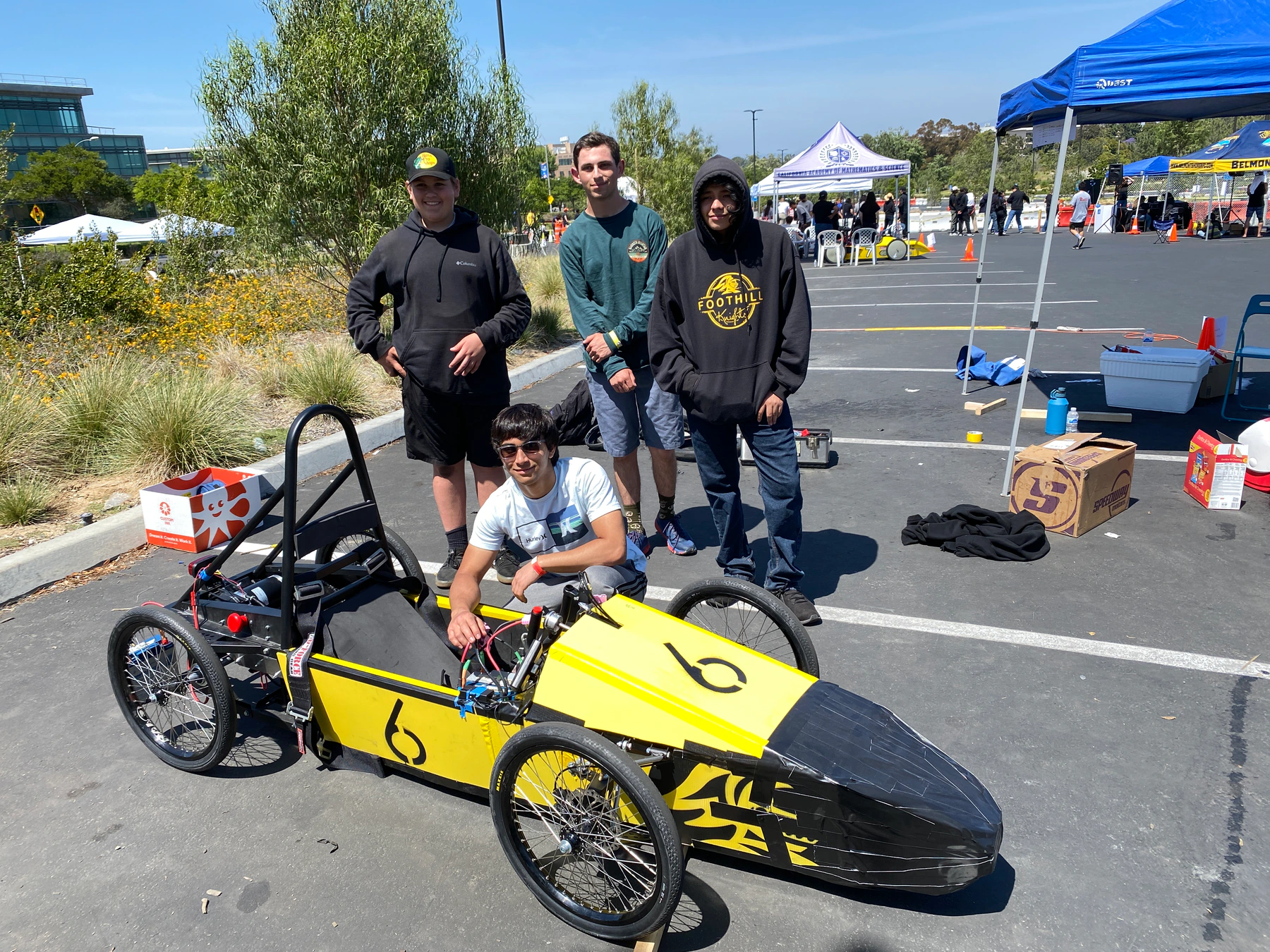
First year competing in the race. We built a car from a go-kart kit and modified it to adhere to race rules. We collected a lot of data during tests which we used to optimize our race strategy.
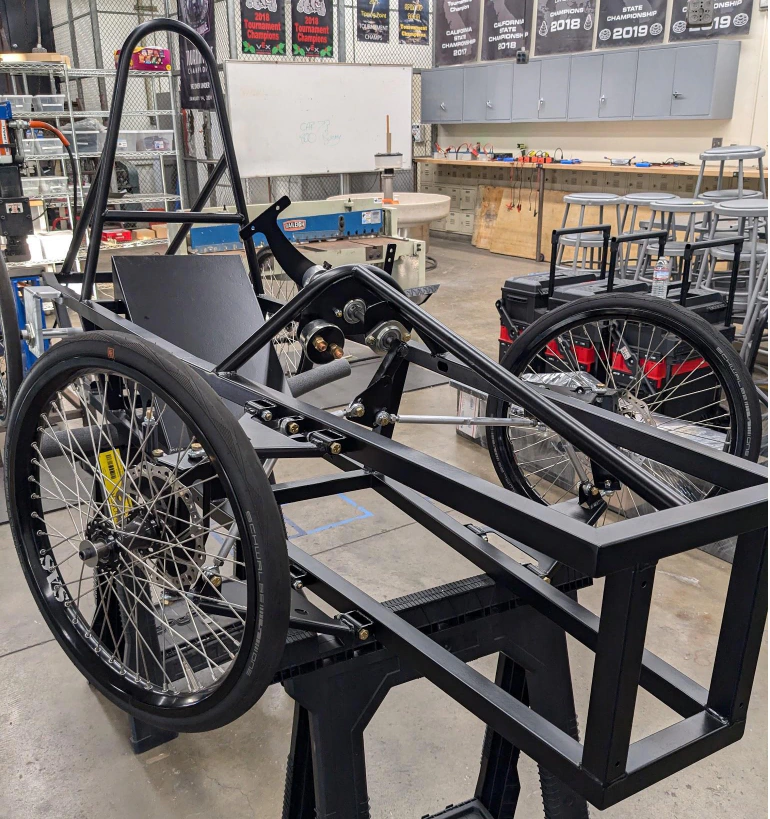
Over the course of two summers, I helped design and manufacture 20 go-kart kits that were sent to schools in southern California.
What I did:
I did not come up with the initial design. That was provided to me when I started.
This is the manual I created.
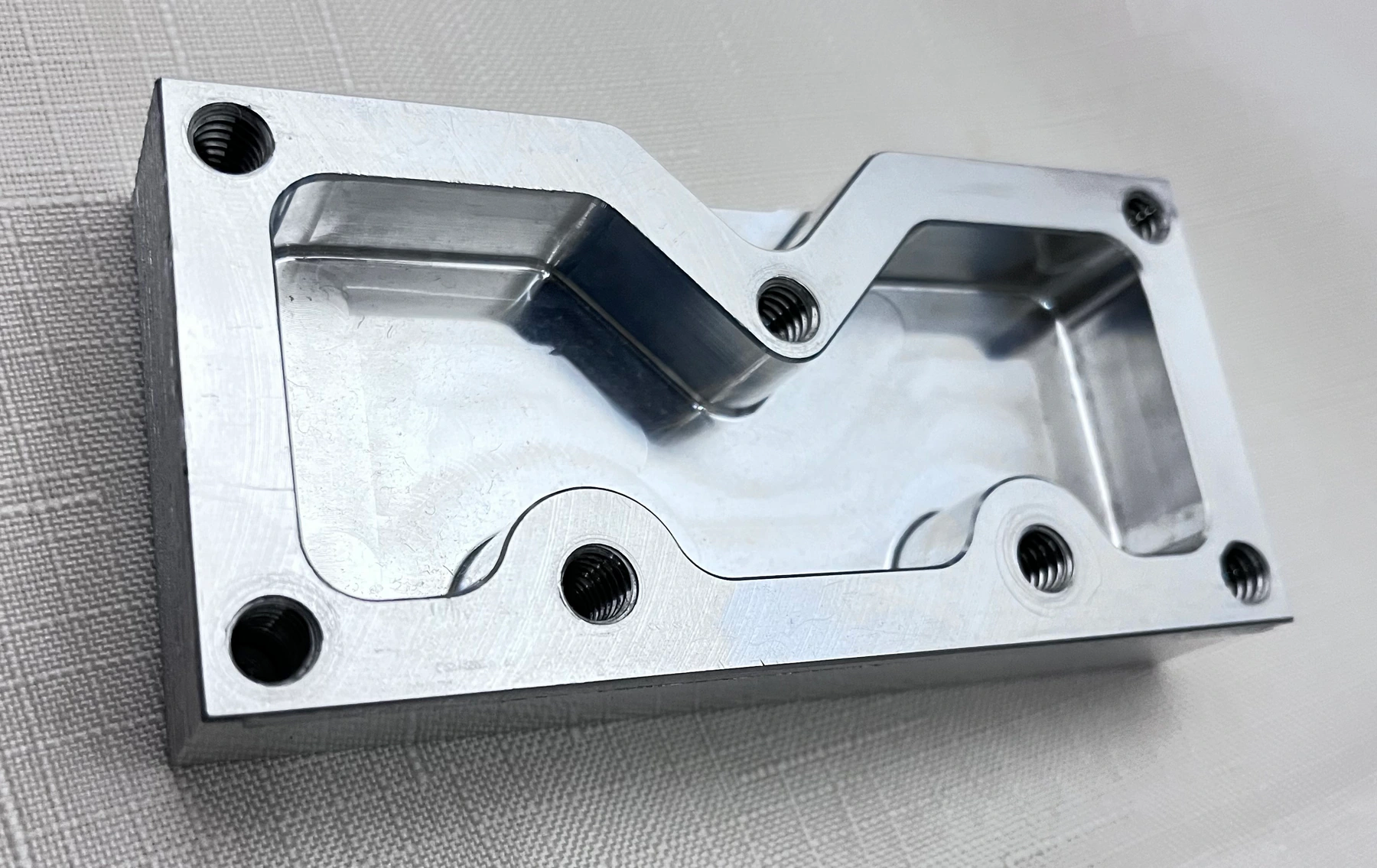
CNC Machining and CAM Programming
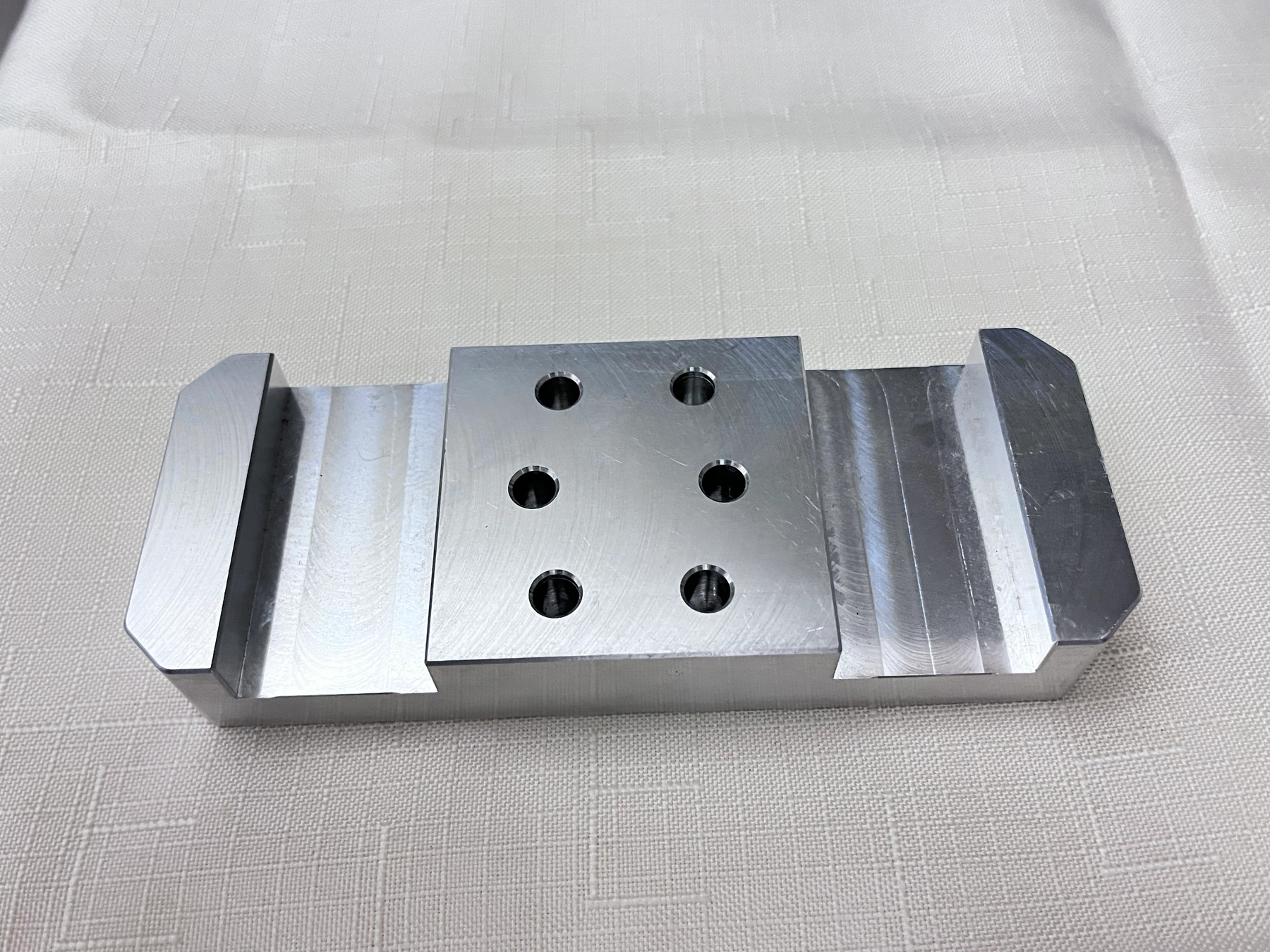
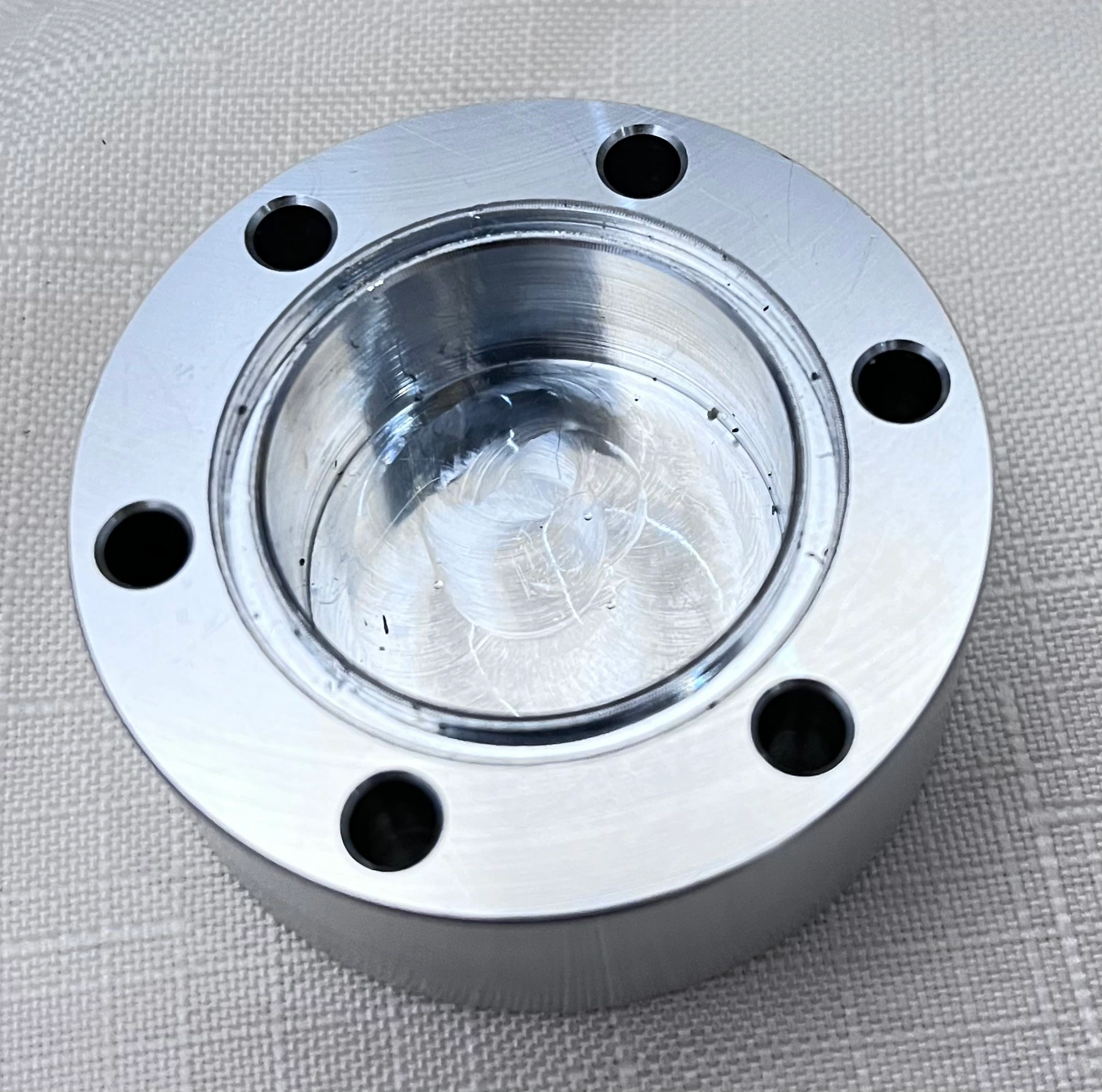
6061-T6 practice parts. I wrote the CAM and cut on Haas TM1P.
All are to spec.
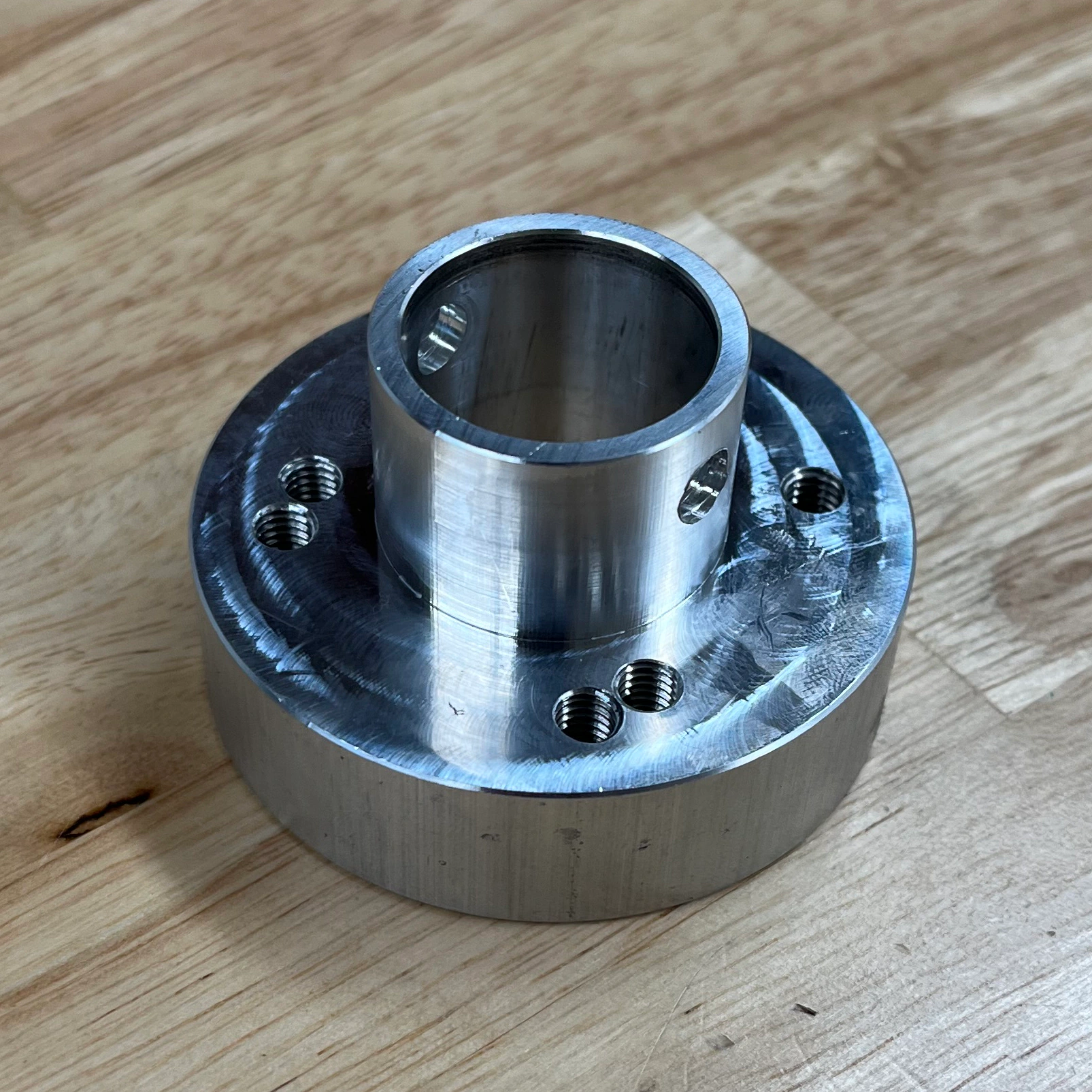
Designed, CAMed and manufactured 20 sprocket adapters. They are used on a custom go-kart kit that was sent out to high schools to encourage racing as an engineering project.
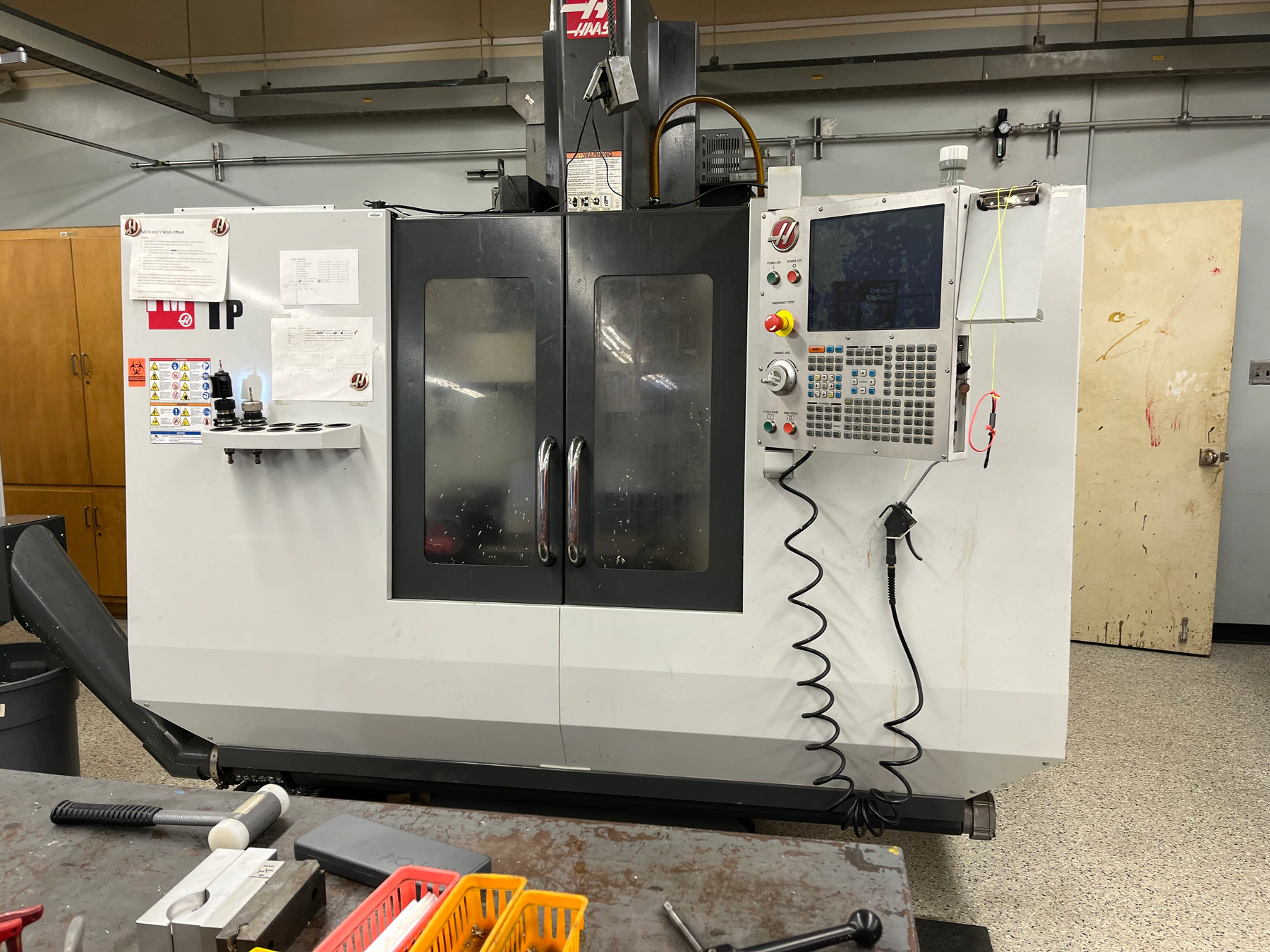
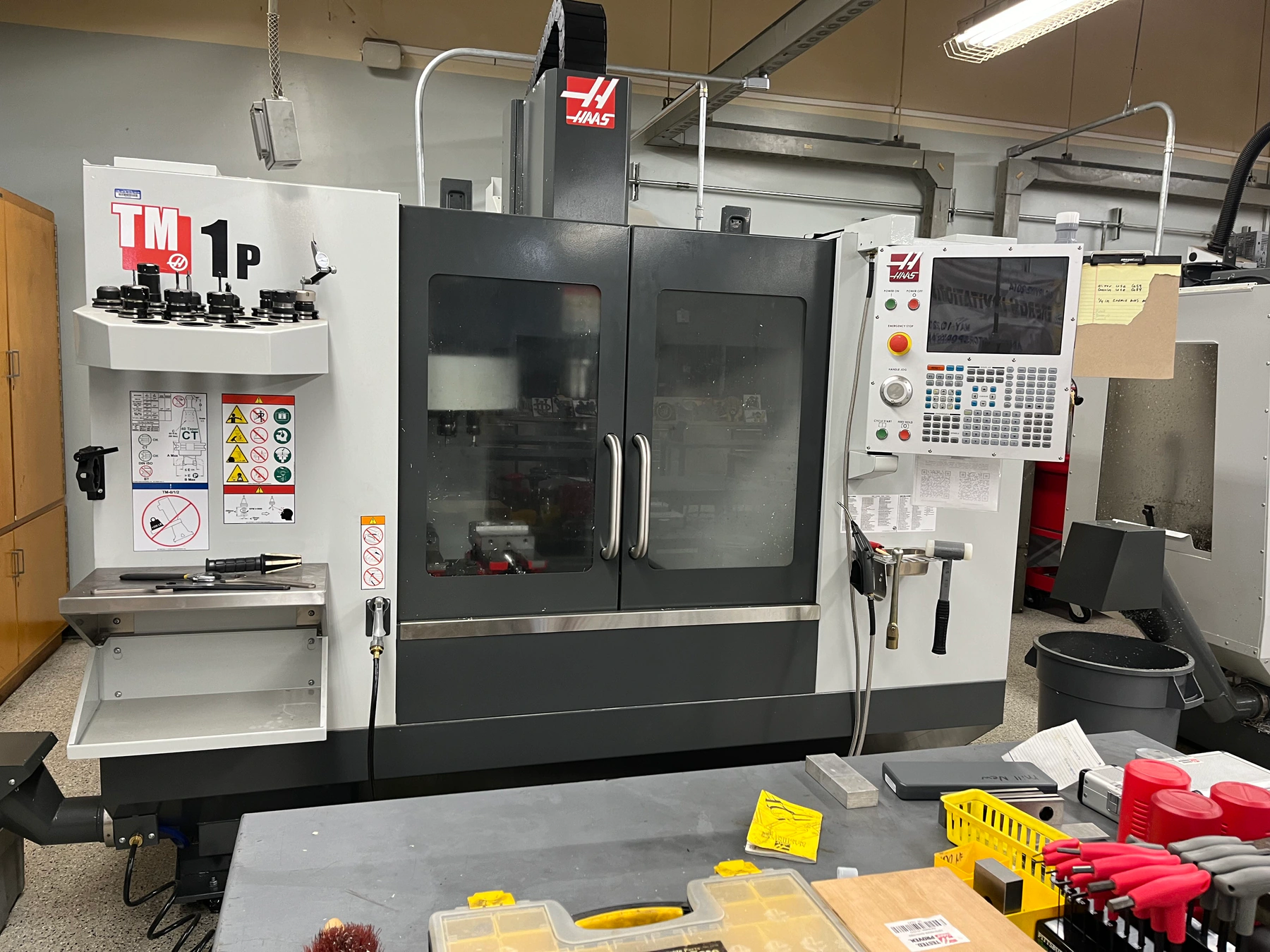
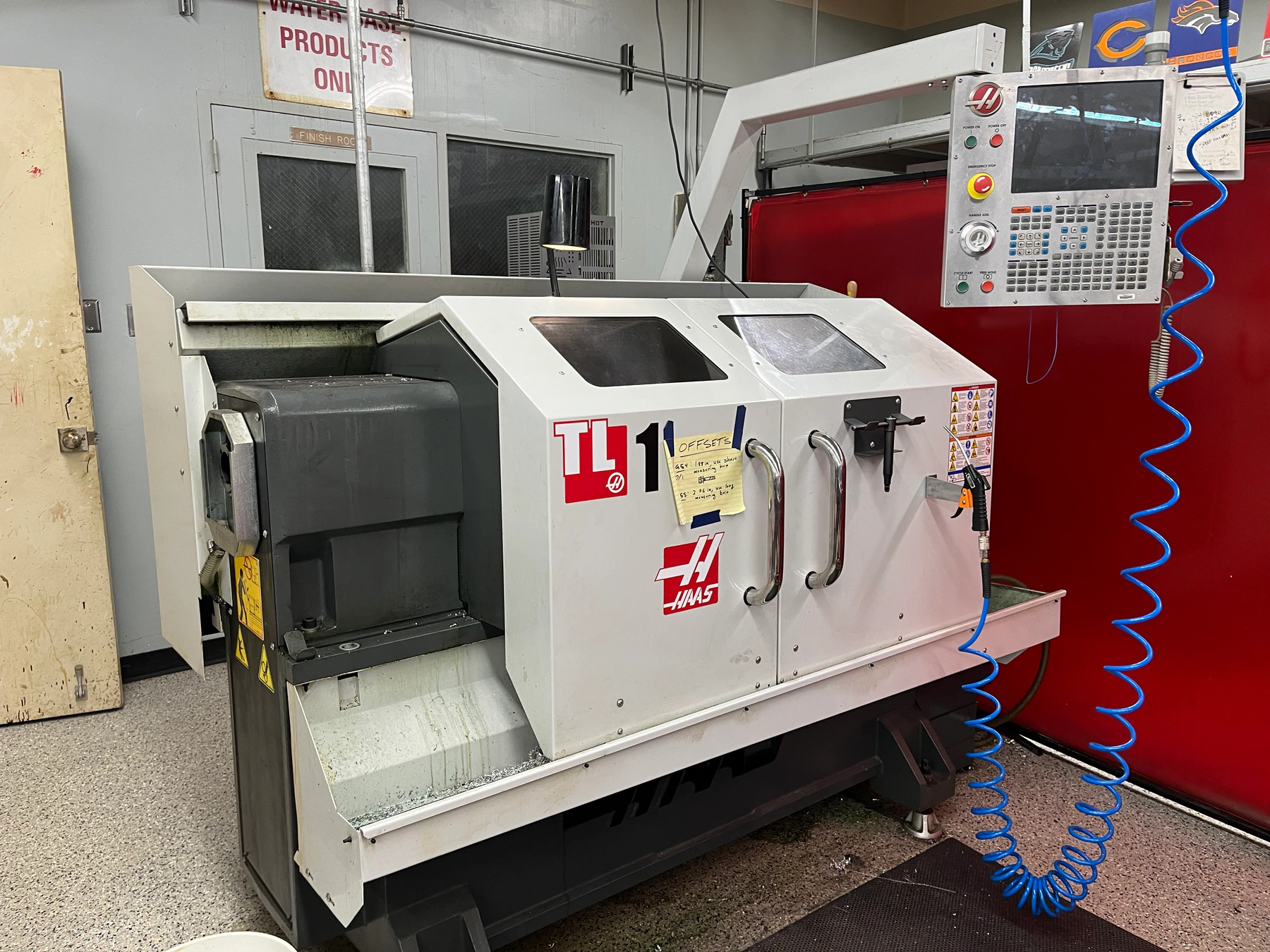
Here are the machines I have worked with and written CAM programs for:
2x Haas TM1P CNC Mills
1x Haas TL1 CNC Lathe.
SolidWorks (Certified)
Siemens NX
Fusion 360
ANSYS Mechanical
Finite Element Analysis
Microsoft Excel
MatLab
DFM
GD&T
Mechanical Design
DC Circuit Design
3-Axis CNC Mill
Manual Mill & Lathe
CAM (3 axis CNC mill and lathe)
Laser & Plasma Cutter
MIG Welding
Carbon Fiber Layup
C++
Java
Python
MatLab
HTML
Email: [email protected]
Send Email